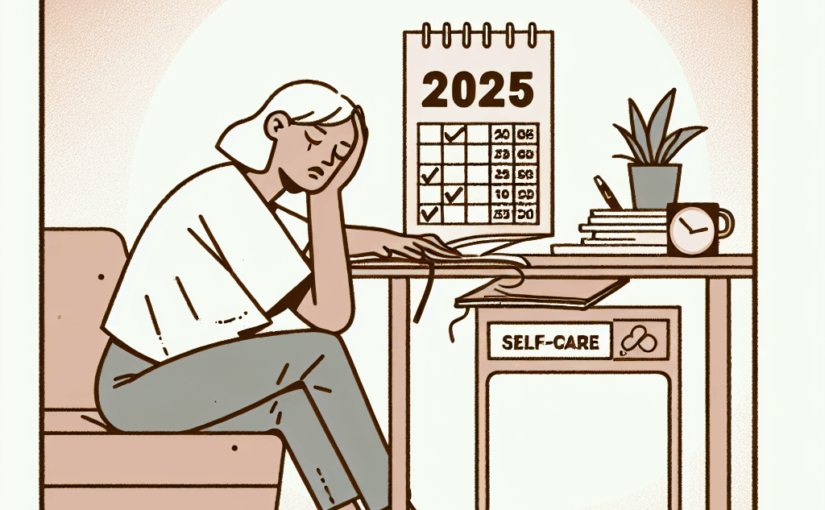
Why You Feel Like You’re Drowning (and How to Breathe Again)

Why You Might Be Feeling Overwhelmed

Feeling like you’re drowning is a haunting experience that many parents face, particularly as the demands of daily life stack up unrelentingly. Parental burnout is not just about feeling tired; it’s a state of physical, emotional, and mental exhaustion caused by the prolonged stress of parenting. As the pressures of work, household responsibilities, and children’s needs accumulate, you may feel like you’re in over your head. Acknowledging this feeling is the first step towards reclaiming your breath and finding a way to support both yourself and your family.

Understanding Parental Burnout

Parental burnout manifests in various ways, and recognising its signs is crucial for recovery. Common symptoms include:

1. Exhaustion: Persistent fatigue that doesn’t improve with rest.
2. Detachment: Feelings of disconnection from your children or daily activities.
3. Reduced Performance: Feeling ineffective or unproductive in parenting tasks.
4. Emotional Overwhelm: Frequent feelings of hopelessness or irritability.

Understanding these symptoms allows parents to identify when burnout is taking root. Research has shown that parental burnout can impact relationships and overall family dynamics. It’s essential to address this issue before it spirals out of control.

Strategies to Combat Parental Burnout

Overcoming parental burnout requires intentional effort and the implementation of strategic coping mechanisms. Here are some effective strategies:

1. Establish Boundaries: Set clear boundaries between work and family time. It’s easy to blur these lines when you’re working from home. Designate specific hours for work and stick to them.
2. Prioritise Self-Care: Make time for activities you enjoy, whether it’s reading, exercising, or simply taking a walk. Self-care isn’t indulgent; it’s necessary for your mental health.
3. Seek Support: Don’t hesitate to reach out to friends, family, or support groups. Sometimes, just talking about your feelings can alleviate the burden. Online communities can also provide valuable resources and connection.
4. Practice Mindfulness: Engage in mindfulness practices such as meditation or deep breathing. These techniques can help you centre your thoughts and reduce anxiety.

The journey through parental burnout can be daunting, but by implementing these strategies, you can begin to find your footing again.

Creating a Supportive Environment

Building a supportive environment at home is essential for combating parental burnout. Here are some actionable steps:

1. Foster Open Communication: Encourage family discussions where everyone can share their feelings. This helps children understand emotions and promotes a healthy dialogue.
2. Distribute Responsibilities: Share household duties with your partner or older children. Collaborative effort not only lessens the load but also builds teamwork within the family.
3. Set Realistic Expectations: It’s important to acknowledge that perfection is not attainable. Set achievable goals for your family’s daily activities.

Additionally, consider reaching out to professionals who specialise in parental burnout. They can provide tailored advice and coping strategies to help you navigate through tough times. For more resources, visit [Talk to Koko](https://www.talktokoko.com) for expert guidance.

Overcoming parental burnout can reinstate balance and joy in your parenting journey. Implement the strategies mentioned above and give yourself permission to step back and breathe. Remember, you’re not alone in this struggle, and it’s perfectly alright to seek help.

Taking control of your well-being is one of the most significant steps you can take for yourself and your children. Don’t wait for that overwhelming feeling to subside on its own; act now to breathe again and re-engage in the joys of parenting.


Feeling Frazzled Is Normal Here’s Why You’re Not Alone

Understanding Parental Burnout

Feeling overwhelmed as a parent is an experience shared by many, yet often goes unacknowledged. Parental burnout has become increasingly common, affecting parents across various backgrounds. As demands for juggling work, children, and everyday life escalate, the intricacies of parental burnout can leave you feeling frazzled and exhausted. It’s crucial to recognise that you are not alone in this struggle; understanding the phenomenon is the first step towards managing it effectively.

Recognising the Signs of Parental Burnout

It’s essential to identify the signs of parental burnout early on to take proactive steps towards managing it. Symptoms can vary significantly among individuals, but here are some common indicators:

1. Emotional exhaustion: You may feel drained, lacking the energy to connect with your children or engage in activities that once brought you joy.

2. Detachment: Feelings of cynicism or detachment towards your parenting role can arise. This may manifest as disinterest in your children’s needs or a feeling of helplessness.

3. Lack of accomplishment: Parents often feel that they are failing to meet their own or society’s expectations, leading to a decreased sense of achievement.

4. Physical symptoms: Burnout can also manifest physically, showing up as headaches, insomnia, or digestive issues.

Recognising these signs can help you acknowledge your feelings and seek the support you need before the situation escalates.

Strategies to Combat Parental Burnout

Acknowledging the feeling of being frazzled is the first step towards tackling parental burnout. Fortunately, several strategies can help restore balance in your life. Here are some effective approaches:

1. Set realistic expectations: It’s vital to establish achievable goals for both parenting and yourself. Understand that perfection is unattainable. Allow yourself to relax with the understanding that ‘good enough’ is perfectly alright.

2. Prioritise self-care: Engage in activities that rejuvenate you—be it reading, exercising, or simply enjoying a quiet cup of tea. Prioritising your well-being is fundamental in setting a positive example for your children.

3. Seek social support: Don’t hesitate to lean on friends, family, or communities. Sharing experiences can significantly reduce feelings of isolation, making it clear that parental burnout is a collective challenge.

4. Time management: Learn to manage your time efficiently. Consider using a planner to organise family events, appointments, and personal time. Structuring your day can help you feel more in control.

5. Consider professional help: If feelings of burnout persist, consider reaching out for professional guidance. Therapists or counsellors can provide strategies tailored specifically to your situation.

Remember that overcoming parental burnout isn’t a solo journey. Reaching out for help or simply sharing your experiences with other parents can be immensely beneficial.

Building a Supportive Community

One of the most effective ways to combat parental burnout is by establishing a robust support network. This community can provide essential emotional backing, practical advice, and shared experiences.

1. Join parent groups: Participating in local or online parenting groups can foster a sense of belonging. Here, parents share their challenges and strategies, uplifting one another in moments of difficulty.

2. Open communication: Talk openly with your partner or close friends about hardships faced in parenting. This transparency can alleviate feelings of loneliness and invite collaborative problem-solving.

3. Engage with professionals: Attending workshops or webinars led by parental experts can give valuable insights into managing parental burnout. Resources such as [Talking Spaces](https://www.talktokoko.com) offer expert advice and a community of support.

Understanding that feeling frazzled is normal helps alleviate the weight of parental burnout. As you embrace these strategies, you may find renewed energy and a deeper connection with your children.

As you navigate your parenting journey, remember that you are not alone; many others share the same struggles. Recognising the signs and seeking support are pivotal steps in reclaiming your well-being. Embrace the community around you, and take actionable steps today to combat parental burnout effectively. If you feel ready to explore further, reach out at [Talk to Koko](https://www.talktokoko.com) for expert guidance and support. You deserve it!

Why You’re Exhausted By Dinner Time (It’s Not Just You!)

Why Dinner Time Can Be So Exhausting

Feeling utterly drained by the time dinner rolls around? You’re not alone. Many parents find themselves struggling with dinner exhaustion as they juggle responsibilities throughout their day. This feeling isn’t merely a product of a long day; it’s a complex mix of physical, emotional, and even social factors that can leave you feeling depleted. Recognising these factors might just be the first step in reclaiming your evenings.

Understanding the Causes of Dinner Exhaustion

There’s no single reason for dinner exhaustion, but a variety of elements contribute to this widespread experience among parents. Here are some of the most common factors:

1. Competing Priorities
Your day is a whirlwind of tasks, from school runs to work commitments and extracurricular activities. By the time you reach dinner time, you’ve often put out many metaphorical fires. This constant juggling act can leave you feeling overwhelmed, making the thought of cooking feel like a monumental task.

2. Decision Fatigue
Every day involves countless decisions, and by the time dinner approaches, your mental energy may be waning. Research indicates that making too many choices can lead to decision fatigue. This exhaustion affects your ability to decide what to cook and what everyone will enjoy, adding an extra layer of stress to the evening routine.

3. Emotional Investment
Dinner isn’t just about food; it’s also a social occasion for families. The emotional toll of curating a pleasant dining experience for your loved ones can be heavy. You might be navigating your children’s dietary preferences or tackling the social dynamics at the table, which can compound your exhaustion.

Strategies to Combat Dinner Exhaustion

While feeling exhausted by dinner time is common, there are several strategies you can use to ease this burden and restore energy during your evenings.

1. Meal Planning
Meal planning can significantly reduce the mental load associated with deciding what to cook every evening. Consider the following tips:

  • Plan Meals Weekly:
  • Dedicate some time at the beginning of each week to plan your dinners. This organised approach will streamline your grocery shopping and prep time.

  • Involve Your Family:
  • Engage everyone in the meal planning process. Allowing each family member to pick a meal can make things easier and more enjoyable.

  • Prep Ahead:
  • Preparing ingredients on weekends or during quieter periods can save immense amounts of time during the week.

2. Simplify Cooking
You don’t need to create gourmet dishes every night. Embrace simplicity to ease your cooking duties:

  • One-Pot Meals:
  • Opt for recipes that require minimal cleanup, such as stir-fries or casseroles.

  • Batch Cooking:
  • Make larger portions and freeze leftovers for easily reheatable dinners later on.

  • Use Convenience Products:
  • Pre-chopped vegetables or store-bought sauces can significantly cut down prep time without sacrificing nutrition.

Creating an Evening Routine

Establishing a calm and enjoyable evening routine can help mitigate some aspects of dinner exhaustion. Incorporate these practices to nurture a more peaceful environment:

1. Set a Fixed Dinner Time
Creating a specific time for dinner each evening fosters predictability, which can reduce stress. This helps everyone know when to expect the evening meal, making it a part of the family routine.

2. Create a Relaxing Atmosphere
Transform your dining experience by dimming lights, playing soft music, or creating a themed dinner. Implementing small changes can make dinner feel less like a chore and more like a cherished family time.

3. Prioritise Self-Care
If you’re stretched thin, it’s vital to carve out time for your own well-being. Simple practices like taking a short walk, engaging in a quick meditation, or even just enjoying a cup of tea can rejuvenate you. Remember, a happy parent often translates to a happier household.

Embracing these strategies can help alleviate the feelings of dinner exhaustion, creating more harmonious family evenings. Focus on finding what works best for your family by experimenting and adjusting as needed.

Recognising that you are not alone in experiencing dinner exhaustion is the first step in addressing it. Remember to lean on each other for support and share responsibilities where possible. By incorporating practical techniques and fostering a nurturing environment, you can reclaim your evening hours, turning them into moments of joy rather than exhaustion.

Reach out if you’re interested in exploring more about handling parental burnout or stress management. You can contact professionals who can help guide you at [Talk to Koko](https://www.talktokoko.com).

Why You Feel Like You’re Drowning (and How to Breathe Again)

Understanding Parental Burnout

Feeling overwhelmed and exhausted as a parent is more common than you might think. Many mothers and fathers experience what is known as parental burnout. This state of emotional, physical, and mental exhaustion can leave you feeling like you’re drowning in the demands of parenting. Understanding the causes and symptoms of parental burnout is crucial for recognising it in yourself and others.

Parental burnout isn’t just about being tired; it manifests in various ways that can affect your entire family. By acknowledging the signs and dedicating time to tackle them, you can reclaim your joy in parenting. This article explores the depths of parental burnout and offers strategies to help you breathe again.

Signs You May Be Experiencing Parental Burnout

Recognising the signs of parental burnout is the first step toward recovery. Some common indicators include:

1. Emotional Exhaustion: You may feel drained and unable to cope. This can be especially evident when the simplest interactions with your children feel overwhelming.

2. Lack of Motivation: Activities that used to bring you joy, such as playing games with your kids or engaging in family outings, might no longer excite you.

3. Irritability: You may find yourself snapping at your children more than usual or feeling frustrated over minor issues.

4. Physical Symptoms: Increased sleep disturbances, headaches, or feelings of anxiety can arise as a result of this burnout.

If you’ve noticed one or more of these signs, it’s time to take action. Parental burnout can affect not just your well-being but also the emotional health of your children.

Practical Strategies to Combat Parental Burnout

Once you have recognised that you’re experiencing parental burnout, employing targeted strategies can help you regain your footing. Here are some actionable tips to start breathing again:

1. Seek Support: Don’t hesitate to reach out to friends, family, or parenting groups. Sharing your feelings can provide comfort and practical advice. Consider visiting [Talk to Koko](https://www.talktokoko.com) for professional guidance tailored to your needs.

2. Prioritise Self-Care: Make time for activities that recharge you. Whether it’s a hobby, a walk in nature, or simply a moment of quiet, these little breaks can help to restore your energy.

3. Set Realistic Expectations: Parenting does not come with a manual, and expecting perfection can lead to stress. Allow yourself to let go of unrealistic standards; your children will thrive in an environment of love, not perfection.

4. Delegate Tasks: It’s okay to ask for help. Share responsibilities with your partner or older children to lighten your load.

5. Create a Family Routine: Having a structured daily schedule gives a sense of stability, making parenting more manageable.

6. Practice Mindfulness: Mindfulness techniques, such as meditation or deep-breathing exercises, can help centre your thoughts and reduce stress. Even two minutes of focused breathing can make a difference.

Learning to Breathe Again

The journey of overcoming parental burnout is ongoing. Acknowledge that it’s okay to feel overwhelmed; recognising your emotions is a powerful step toward healing. As you implement these strategies, remember to check in with yourself regularly.

Finding balance might take time, but with patience and support, you can emerge with a renewed sense of purpose and connection to your children. Rediscover the joy of parenting by making small, positive changes that tackle the frenzy of everyday life.

Breaking free from parental burnout doesn’t happen overnight, but it’s entirely possible. Focus on what you can control, seek help when needed, and remember, there is no shame in admitting you need a break.

When you’re ready to transform your experience, take the first step: reach out for support, both online and offline. Visit [Talk to Koko](https://www.talktokoko.com) to explore additional resources and find professionals who can help you navigate through this challenging period.

Making strides to conquer parental burnout will not only benefit you but will also pave a brighter path for your children. Embrace the journey to breathe again; your family deserves your best self.

Why You Feel Like Quitting and How to Find Your Spark Again

Understanding Parental Burnout

Feeling overwhelmed as a parent is something many experience, yet few openly discuss. The term “parental burnout” often comes into play when you feel like you’re constantly running on empty. Whether it’s endless school runs, juggling work commitments, or the barrage of daily responsibilities, you may find yourself at a breaking point. Recognising the signs of parental burnout is crucial; it could manifest as fatigue, irritability, or even a sense of isolation. Understanding the causes and effects of this state can help you regain your footing and find your spark again.

Signs and Symptoms of Parental Burnout

When you’re in the thick of it, recognising parental burnout can be challenging. Here are common signs to watch for:

1. Emotional Exhaustion: You may feel drained, both physically and emotionally. The daily tasks that once brought joy now feel like an uphill battle.

2. Detachment: A sense of isolation may creep in. You might withdraw from family, friends, or social activities that used to energise you.

3. Reduced Performance: Tasks that were once manageable may now seem overwhelming. You could struggle to maintain effective communication with your children or partner.

Recognising these symptoms is the first step toward addressing parental burnout. It’s also essential to remember that seeking help is not a sign of weakness.

Strategies to Reignite Your Passion for Parenting

Once you recognise the symptoms of parental burnout, implementing effective strategies can help you find your spark again. Here are some practical ways to overcome these feelings:

1. Take a Break: It’s essential to carve out time for yourself, even if it’s just a short daily break. Whether it’s reading, meditating, or enjoying a hot cup of tea in silence, prioritising self-care is vital to combatting burnout.

2. Engage in Mindfulness: Practicing mindfulness can help you reconnect with the present moment. Techniques like deep breathing or guided meditation can facilitate relaxation and decrease stress.

3. Seek Support: Sharing your feelings with friends, family, or a professional can help validate your experiences. You might find relief in knowing others share similar challenges. Consider joining a support group that focuses on parental burnout.

4. Set Realistic Expectations: Perfection is an impossible standard. Allow yourself to be imperfect and acknowledge that not every day will go as planned. Set achievable goals for yourself and your family.

5. Rediscover Joy: Reflect on what once excited you about parenting. Plan fun family activities that will reignite your joy. Engage in an old hobby or introduce new traditions that create lasting memories.

Incorporating these strategies can alleviate feelings of burnout and help you reconnect with the core joys of parenting.

Getting Professional Help

Sometimes, the weight of parental burnout can feel insurmountable, and that’s okay. Seeking professional help from a therapist or counsellor specialising in parental burnout can provide additional support and strategies tailored to your unique situation. Cognitive behavioural therapy (CBT) and other therapeutic approaches can offer useful tools for managing overwhelming emotions and restoring balance in your life.

Remember that addressing parental burnout is not only about alleviating the stress but also about fostering a healthier family dynamic. When you prioritise your well-being, you create a better environment for you and your loved ones.

Finding Your Spark Again

It’s completely normal to feel like quitting at times due to parental burnout. The good news is that you can find your spark again. Here are some final thoughts to keep in mind:

– Recognise that experiencing burnout does not make you a bad parent; it makes you human.
– Take small steps towards change, focusing on what you can control.
– Celebrate your achievements, no matter how small, and revisit what brings you joy as a parent.

Embrace the journey of parenthood with all its ups and downs, knowing that seeking help is a strength, not a weakness.

If you’re struggling and want to talk about your feelings of burnout, don’t hesitate to reach out for support. Visit [Talk to Koko](https://www.talktokoko.com) for professional assistance. You deserve to find your spark again.

Feeling Frazzled? How to Recharge Your Parenting Superpowers in 2025

Understanding Parental Burnout

Feeling overwhelmed and frazzled as a parent is more common than you might think. In today’s fast-paced world, parenting can lead to emotional exhaustion and burnout, affecting both caregivers and children. Parental recharge is essential not only for your well-being but also for fostering a nurturing environment for your kids. By identifying the signs of burnout and implementing effective strategies, you can revitalise your parenting superpowers in 2025.

Recognising the symptoms of parental burnout is the first step toward recharging. Here are some common signs to watch for:

1. Constant fatigue
2. Irritability
3. A sense of isolation
4. Lack of motivation
5. Reduced feelings of achievement

Understanding these feelings can help you realise that you’re not alone and that recharging is not just necessary—it’s vital.

Strategies to Recharge Your Parenting Superpowers

If you’re feeling drained, implementing strategies specifically designed for parental recharge can work wonders. Let’s dive into practical tips to help you reclaim your energy and enthusiasm.

1. Establish a Self-Care Routine
Taking care of yourself is crucial. Schedule time for activities that rejuvenate you, whether it’s reading a book, enjoying a bubble bath, or going for a brisk walk. Consider these activities:
– **Physical Exercise:** Engaging in regular physical activity releases endorphins, which improve mood and energy levels.
– **Mindfulness Practices:** Yoga and meditation can help centre your thoughts and reduce stress. Apps like Headspace or Calm provide quick meditative sessions that fit into your busy schedule.
– **Creative Outlets:** Explore your artistic side through painting, writing, or crafting. This not only distracts from daily stresses but also boosts your mood.

2. Prioritise Connections
Cultivate relationships with friends and family who understand your struggles. Having a support system can amplify your parental recharge. Here are ways to prioritise connections:
– **Weekly Check-Ins:** Make it a point to catch up with a friend or family member regularly.
– **Join Parental Groups:** Engage with local or online parenting groups. Sharing experiences can be incredibly validating.
– **Seek Professional Help:** Sometimes speaking with a therapist can provide you additional insights into managing parental burnout.

3. Set Realistic Expectations
One of the quickest routes to burnout is setting yourself up for failure with unrealistic expectations. It’s important to let go of the notion of “perfect parenting.” Here’s how to adjust your mindset:
– **Focus on Quality over Quantity:** Spend meaningful time with your kids, even if it’s less frequent.
– **Delegate Responsibilities:** Don’t hesitate to ask for help from partner, family, or friends, sharing household and childcare duties.
– **Create a Flexible Schedule:** Consistency is important, but flexibility allows you to adapt when life throws curveballs.

Implementing Mindfulness for a Boost

Mindfulness is a powerful tool that can help parents recharge. By practising mindfulness techniques, you can enhance your emotional resilience and better cope with daily stresses. Here are some effective mindfulness strategies:

1. Breath Awareness
Take five minutes each day to focus solely on your breath. This simple act can help ground you when feelings of overwhelm arise.

2. Gratitude Journaling
Each evening, jot down three things you’re grateful for. This practice shifts your focus from stress to positivity.

3. Mindful Observation
While engaging with your children, practice mindful observation. Notice the small details as you share experiences, paying attention to sounds, smells, and feelings. This not only fosters connection but also helps you stay present.

Take it from parents who have felt the weight of burnout; investing time in mindful practices can lead to a stronger bond with your children and a renewed sense of joy in parenting.

In essence, the journey to parental recharge starts with recognising your feelings, setting realistic expectations, and implementing self-care strategies. By incorporating mindfulness into your routine, you can transform frazzled moments into opportunities for joy and connection.

Whether you’re dealing with the everyday challenges of parenting or facing more significant obstacles, these strategies offer a pathway to recharge your parenting superpowers.

As you embark on this journey of renewal, remember the importance of seeking support and sharing your experiences with others. Together, we can foster healthier, happier families. For additional resources, don’t hesitate to reach out to professional networks or follow trusted parenting blogs.

Feeling frazzled? Don’t wait any longer to start recharging your parental superpowers today! Reach out to us at Talk to Koko for support and guidance.

Feeling Drained? You’re Not Alone

Feeling Drained? You’re Not Alone

It’s easy to feel overwhelmed and exhausted as a parent, especially in today’s fast-paced world. Many parents experience a type of emotional and physical fatigue known as parental burnout, a condition that can leave you feeling drained and uninspired. What you might not realise is that you’re not in this alone; countless parents are facing similar challenges. Understanding parental burnout and its implications is crucial for both your well-being and your family’s health. This article delves into the causes, symptoms, and strategies to combat this often-ignored aspect of parenting.

Understanding Parental Burnout

Parental burnout refers to a state of emotional, physical, and mental exhaustion specifically related to parenting demands. While parenting is incredibly rewarding, it can also be one of the most challenging and stressful roles anyone can undertake. Factors contributing to parental burnout include:

1. Excessive demands: The responsibilities involved in raising children can be daunting, leading to overwhelming stress.

2. Lack of support: Many parents find themselves isolated, with little outside help or understanding from friends and family.

3. Perfectionism: The desire to be ‘the perfect parent’ can place tremendous pressure on an individual, fostering feelings of inadequacy.

Various studies indicate that parental burnout is becoming more prevalent, especially amidst global crises that have added layers of uncertainty to daily living. A study from the American Psychological Association highlights that many parents report feeling emotionally drained more than ever, particularly during the pandemic. This statistic should serve as a wake-up call for parents to reassess their emotional health.

The Symptoms of Parental Burnout

Recognising the signs of parental burnout is crucial to remedying the situation. While each parent’s experience may differ, common symptoms include:

1. Chronic fatigue: A sense of overwhelming tiredness that doesn’t improve with rest.

2. Emotional detachment: Feeling disconnected from your children or experiencing a lack of joy in parenting.

3. Irritability: Increased frustration or anger that may seem disproportionate to the situation at hand.

Additionally, parents may find it difficult to focus or make decisions, leading to a feedback loop of stress and exhaustion. Ignoring these symptoms can have long-lasting effects, not just on the parent but on their children as well.

Strategies to Combat Parental Burnout

It’s essential to take proactive steps to prevent and tackle parental burnout. Thankfully, numerous strategies can help you regain balance and find more joy in parenting:

1. Establish boundaries: Learn to say no to extra responsibilities that do not serve your family’s needs or your mental health.

2. Seek support: Connecting with fellow parents or support groups can provide the emotional backup you need. Online platforms like [Talk to Koko](https://www.talktokoko.com) offer resources and talking points to help guide you through your emotions.

3. Prioritise self-care: Set aside time for personal interests that bring you joy, whether reading, exercising, or spending time with friends. Even small acts of self-care can have a substantial impact.

4. Open communication: Talk openly with your partner about your feelings and workload. Sharing responsibilities can alleviate stress immensely.

5. Focus on the present: Practising mindfulness can help you enjoy the little moments with your children without feeling burdened by future worries.

Implementing even a few of these strategies can lead to gradual improvements. Remember, seeking help is a sign of strength, not weakness.

Bringing awareness to your predicament is the first step towards healing. Parental burnout is both real and valid, and recognising its symptoms can be freeing. By taking proactive measures to address it, you’re not only investing in your well-being but also in the happiness of your children.

Take the first step today; seeking connection and understanding can lead to profound changes in your life and your family’s dynamics. Don’t hesitate to reach out for support, and remember: you’re not alone. Visit [Talk to Koko](https://www.talktokoko.com) to connect further with resources and community support.

Why You’re Exhausted By Dinner Time (It’s Not Just You!)

Why Parental Exhaustion Is More Common Than You Think

You collapse into a chair at dinnertime, completely spent, and wonder why you feel so exhausted. It’s not just you. Parental exhaustion is a reality that many parents face, often intensified by the chaos of juggling work, children, and daily tasks. The struggle is real, and this phenomenon does not stem from just lack of sleep. Understanding the multiple factors contributing to this overwhelming fatigue can help parents navigate their daily routines and find more energy, even at the end of a long day.

Understanding Parental Exhaustion

It’s crucial to recognise that parental exhaustion is not merely a result of handling everyday chores. Instead, it’s an intricate dance of physical demands, emotional rollercoasters, and mental exertion. Here are some key contributors:

1. Incessant Multitasking: Parenting requires you to switch tasks rapidly—from making breakfast to overseeing homework, all while managing household duties. This constant juggling can drain your mental energy and lead to fatigue.

2. Emotional Labour: Being a parent means being attuned to your children’s needs, which can be emotionally taxing. Responding to their moods, fears, and joys takes a significant toll over the day.

3. Lack of Quality Time: As a parent, even quality family time can sometimes be exhausting when it feels more like a chore than a joyful experience. When forced to squeeze fun into an already packed schedule, enjoyment can turn into another item on your to-do list.

Additionally, research shows that sleep deprivation can exacerbate feelings of exhaustions. Many parents find themselves staying up late to catch up on chores or personal time, only to wake up early to tend to the children. This cycle of sleep deprivation further intensifies parental exhaustion.

How to Combat Parental Exhaustion

Tackling parental exhaustion requires acknowledgement and practical strategies. Here are several effective approaches that can help restore your energy levels:

1. Prioritise Self-Care: Making your physical and mental well-being a priority is crucial. Here are some self-care ideas:
– Engage in regular exercise, even small walks can help.
– Set aside time for activities that rejuvenate you, whether it’s reading, yoga, or a hobby.
– Eat healthily—consider meal prepping to save time during the week.

2. Implement Family Routines: Establishing a daily rhythm can relieve the chaotic feel of your home. Set specific times for meals, homework, and leisure, helping everyone anticipate their tasks.

3. Foster Open Communication: Encourage family discussions about feelings of exhaustion. Understanding that it’s okay to feel tired can relieve some pressure.

4. Seek Help: Don’t hesitate to lean on your partner, family, or even friends for support. Whether it’s babysitting or simply sharing responsibilities, teamwork can be lifesaving.

You can also explore resources such as Parenting.com for additional tips and insights tailored for parents.

Recognising When to Seek Professional Help

If the exhaustion becomes overwhelming or leads to feelings of depression or anxiety, it might be time to speak to a healthcare professional. Parental exhaustion can quickly escalate into a more serious condition known as burnout. The key difference lies in how it affects your life. If daily tasks feel insurmountable, reaching out for support can be vital.

It’s important to remember that recognising your limits is a sign of strength, not weakness.

Families, and parents especially, navigate a whirlwind of emotions, responsibilities, and expectations. Parental exhaustion isn’t simply about being tired; it’s about understanding the layers behind your fatigue. You are not alone in this journey.

The steps mentioned above can drastically change how you experience your parenting journey, helping you reclaim energy and find joy in the chaos. If you’re feeling overwhelmed, remember that small changes can lead to significant improvements.

To connect and share your experiences, please reach out at Talk to Koko. You don’t have to venture through parental exhaustion alone—community and support can make all the difference.

Feeling Like a Robot Parent You’re Not Alone

Feeling Like a Robot Parent? You’re Not Alone

In today’s fast-paced world, many parents find themselves feeling like a robot parent—going through the motions of daily life, only to be left feeling exhausted and disconnected from their children. The pressures of modern parenting can feel overwhelming, leaving you emotionally drained and striving to keep up with endless responsibilities. If you’ve ever felt like you’re simply following a programmed schedule and missing out on genuine connections with your kids, you’re not alone. This article digs into the phenomenon of parental burnout, exploring its causes and offering actionable solutions to help you rediscover joy in parenting and reclaim your life.

The Pressure of Perfection

The current culture often demands that parents operate at peak performance. Social media presents polished images of ideal parenting, making it increasingly difficult to feel satisfied with your own efforts. The incessant comparison can lead to feelings of inadequacy and the sense that you’re merely a robot parent, mechanically fulfilling roles rather than emotionally engaging.

Here are some common pressures that contribute to this feeling:
1. Social Expectations: The expectation to be the “perfect” parent can lead to adopting a robotic mentality, focusing solely on tasks rather than emotional connections.
2. Over-scheduling: Balancing work, school activities, and family obligations often leaves little time for authentic bonding.
3. Lack of Support: Many parents feel isolated, lacking a support system that can understand their struggles.

Recognising these pressures is the first step toward breaking free from the robotic routine. You must also understand that these feelings are valid; experiencing them does not make you a bad parent.

Identifying the Signs of Parental Burnout

Understanding the symptoms of parental burnout is crucial for regaining your emotional health. Many parents may not realise they are experiencing burnout until it escalates. Here are some signs to watch for:

1. Emotional Exhaustion: Feeling drained and unable to engage with your children.
2. Irritability: Becoming easily frustrated or angry with your children’s behaviour.
3. Detachment: Feeling indifferent or disconnected from daily activities and family life.
4. Decreased Satisfaction: Struggling to find joy in parenting activities that once brought you happiness.

It’s essential to recognise these signs as a cue for reassessing your approach to parenting. A feeling like a robot parent is not something to be ashamed of but rather a signal that it’s time to prompt some change.

Steps to Overcome the Robot Parent Mentality

Shifting from a robotic outlook on parenting to a more engaged and joyful experience can take intentional effort. Here are some strategies to help reinvigorate your parenting journey:

1. Prioritise Self-Care: Taking time for yourself is crucial. Whether it’s reading a book, going for a walk, or pursuing a hobby, self-care is essential for maintaining emotional balance. Establishing boundaries around work and personal time can help you recharge.

2. Connect with Your Children: Instead of viewing parenting as a checklist, focus on building meaningful connections. Engage in activities that foster bonding, such as playing games, cooking together, or enjoying family outings. Be present and attentive during these moments.

3. Seek Support: You don’t have to do this alone. Reach out to family, friends, or local parenting groups. Sharing experiences with others can provide comfort and validation, reminding you that you are not alone in your struggles.

4. Embrace Imperfection: Let go of the idea of being a perfect parent. Embrace the messiness of life and accept that mistakes are part of the parenting journey. Learning and growing together with your children can be a rewarding experience.

5. Set Realistic Goals: Instead of overwhelming yourself with rigid schedules, create flexible routines that allow for some spontaneity. Focus on quality rather than quantity in your interactions with your children.

Taking the time to implement these strategies can significantly reduce the feeling of being a robot parent and move you toward a more fulfilling journey in parenthood.

Understanding that you are not alone in feeling overwhelmed as a parent can be liberating. Recognising the signs of parental burnout can prompt meaningful change in your approach. Remember to prioritise self-care, connect deeply with your children, seek support, embrace imperfection, and set realistic goals.

You deserve to experience the joy and fulfilment that come with parenting. If you’re ready to take the next step in addressing your feelings, reach out for support [here](https://www.talktokoko.com). It’s never too late to rediscover your passion for parenting and connect with your children on a deeper level.

Feeling Drained This Year You’re Not Alone

Feeling Drained? Understanding Parental Burnout

Are you feeling more exhausted than usual this year? If so, you’re not alone. Many parents are grappling with feelings of fatigue, frustration, and inadequacy, all signs of parental burnout. This phenomenon, characterised by emotional, physical, and mental exhaustion due to the demands of parenting, has become increasingly common. The challenges of modern parenting—balancing work, education, and home life—can be overwhelming, leaving many feeling worn out and detached. In this article, we’ll explore the signs of parental burnout, its causes, and effective strategies to combat it, helping you reclaim your energy and joy in parenting.

Recognising the Signs of Parental Burnout

Understanding parental burnout is the first step in addressing it. The signs can often be mistaken for general stress or just being tired, but they can indicate a deeper issue. Here are some common indicators:

1. Emotional Exhaustion: Feeling drained, emotionally depleted, or incapable of effectively parenting your children.

2. Detachment: A sense of disconnection from your children, partners, or even yourself.

3. Inability to Meet Responsibilities: Struggling to fulfil parenting duties or feeling overwhelmed by daily tasks.

4. Increased Irritability: Experiencing heightened frustration or anger, often over small matters.

Additionally, a study by the American Psychological Association revealed that nearly 40% of parents reported feeling consistently overwhelmed. Recognising these signs early can be pivotal in ensuring you address the issue before it worsens.

Causes of Parental Burnout

Parental burnout can stem from various sources, and understanding these can help you mitigate its effects. Here are some common contributors:

1. High Expectations: Many parents set unrealistic expectations for themselves, leading to feelings of failure when those aren’t met.

2. Lack of Support: A strong support system—whether from partners, family, or friends—is crucial. Feeling isolated can aggravate feelings of burnout.

3. Overcommitting: Juggling too many responsibilities, including work and extra-curricular activities, can lead to feeling overwhelmed.

4. Social Media Pressure: The comparison game on social media often exacerbates feelings of inadequacy and burnout.

By identifying these causes, parents can take steps to alleviate the pressure they are under. Recognising that it’s okay to ask for help or to prioritise one’s well-being is essential in combatting parental burnout.

Strategies to Combat Parental Burnout

Addressing parental burnout requires a multifaceted approach. Here are some practical strategies to help you reclaim your energy and joy:

1. Set Realistic Goals: Understand that it’s okay to not have everything perfect. Focus on what’s most important, and let go of lesser priorities.

2. Prioritise Self-Care: Make time for yourself, whether through exercise, hobbies, or simply resting. Allocate specific time each week for self-care activities you enjoy.

3. Establish Boundaries: Learn to say no to additional responsibilities that can overwhelm you. Protect your time and energy for what truly matters.

4. Seek Support: Don’t hesitate to lean on family, friends, or your partner. Open communication about your struggles can lead to shared responsibilities and emotional relief.

5. Limit Social Media: Consider taking a break from social media to avoid negative comparisons. Focus on real-life interactions that nourish your well-being.

Implementing these strategies can significantly improve your mental and emotional health, helping you navigate the complexities of parenting without feeling overwhelmed.

If you want to learn more about recognising, addressing, and recovering from parental burnout, consider reaching out to professionals. Resources like [Talk to Koko](https://www.talktokoko.com) can provide guidance and support tailored to your needs.

Embracing parental burnout as a common experience rather than an isolated struggle can foster connection and understanding among parents. You are not alone, and by taking proactive steps, you can find balance and regain joy in your parenting journey. Reach out for help, share your experiences, and prioritise your well-being—your family, and you, will reap the benefits.

Why You Feel Like Quitting and How to Find Your Spark Again

Feeling Overwhelmed: Understanding Parental Burnout

It’s completely normal to feel overwhelmed as a parent. With the relentless demands of managing household duties, meeting children’s needs, and balancing work obligations, many parents find themselves battling parental burnout. This exhaustion can manifest as emotional, mental, and physical fatigue, leaving you feeling depleted and disengaged. The feelings of wanting to quit can creep in, leading to frustration and a sense of hopelessness. Recognising that you are not alone in this journey is the first step towards reigniting your spark as a caregiver.

Signs of Parental Burnout

Understanding the signs of parental burnout is pivotal for recovery. Here are some indicators that you may be experiencing this overwhelming state:

1. Constant Fatigue: You may find yourself feeling tired, even after a full night’s sleep. The weight of responsibilities might leave you drained.

2. Emotional Numbness: You might feel disconnected from your children or less enthusiastic about activities you once enjoyed.

3. Irritability: Small things that usually wouldn’t bother you start to create a sense of frustration, impacting your interactions.

4. Indifference Towards Caregiving: You might begin to neglect your children’s needs or put less effort into engaging them.

5. Difficulty Concentrating: Juggling numerous tasks can make it hard to focus, leaving you feeling scatterbrained.

If you recognise these signs in yourself, it’s a clear indicator to take action. Early recognition can help prevent deeper burnout, allowing you to reclaim your passion for parenting.

Strategies to Combat Parental Burnout

Finding your spark again amid parental burnout is entirely achievable through practical steps and mindful adjustments. Here are strategies that can help you regain your energy and enthusiasm:

1. Prioritise Self-Care: Recognising that self-care is not selfish is crucial. Schedule regular “me-time” for activities like reading, exercising, or simply enjoying a quiet cup of tea. Self-care replenishes your energy and mindset.

2. Build a Support System: Surround yourself with understanding friends or family. Don’t hesitate to reach out for help. Share your feelings and experiences with others who can provide support. Consider joining online forums like [Parents.Community](https://www.parents.com) where you can connect with other parents facing similar challenges.

3. Set Realistic Expectations: Adjusting expectations can lighten the load. Accept that not every day will be perfect. It’s okay to lower the bar occasionally, allowing for better balance in your life.

4. Practice Mindfulness: Engaging in mindfulness techniques can significantly alleviate stress. Meditation, deep-breathing exercises, or journaling can enhance your emotional resilience, helping you to be present with your children.

5. Delegate Tasks: Share household responsibilities with your partner or enlist older children in simple chores. This can provide you with more time to recharge and connect with your little ones.

6. Rediscover Your Passion: Think back to activities that brought you joy before parenting. Whether it’s a hobby, a sport, or a specific pastime, weaving these interests back into your life can help you feel more like yourself.

Regularly assess your progress. Acknowledging even the smallest improvements can foster a positive mindset, pushing you closer to overcoming parental burnout.

Finding Community

Connecting with others can work wonders for your mental and emotional health. Communities on social media platforms, local support groups, or parenting classes can cultivate a sense of belonging and shared experience. Sharing your challenges helps diffuse feelings of isolation associated with parental burnout.

Consider attending workshops or online webinars focused on parenting strategies and mental wellness. These resources often offer actionable insights that can restore joy and purpose in your parenting journey.

Pivotal to recovering from parental burnout is recognising that seeking help or sharing your struggles is a true strength rather than a weakness. By surrounding yourself with supportive networks and resources, you’ll be well on your way to revitalizing your parenting spirit.

Your journey through parental burnout doesn’t have to be one you navigate alone. Remember to take care of yourself and nurture your passions.

As you begin to implement these strategies, reflect on your experiences and approaches, and make gradual changes as necessary. You’ll find your passion returning and regain the fulfilment that comes with being a parent.

If you have any questions or need someone to talk to, don’t hesitate to reach out at Talk to Koko. You’ve got this!

Why You Feel Like Quitting and How to Find Your Spark Again

Understanding Parental Burnout

Feeling overwhelmed and ready to quit is a common experience for many parents. It’s not just stress; it’s a deep-seated sense of exhaustion that often comes from the relentless demands of parenting. This phenomenon, known as parental burnout, can leave you questioning your capabilities and feeling detached from your family. Understanding the roots of this burnout is the first step toward reigniting your spark and finding joy in parenting again.

Parental burnout manifests in various ways: emotional exhaustion, a sense of ineffectiveness, and detachment from your children. Research indicates that nearly 20% of parents experience significant burnout, suggesting that you are not alone in this struggle. Acknowledging these feelings is vital, as is recognizing that they often arise from unrealistic expectations and a lack of self-care.

Recognising the Signs of Parental Burnout

In order to tackle parental burnout effectively, it’s essential to identify its signs early on. By being mindful of these indicators, you can take proactive steps to prevent them from escalating:

1. Constant Fatigue: Do you feel exhausted, no matter how much rest you get? This pervasive fatigue can sap your joy and impact your interactions with your children.

2. Lost Interest: When you find yourself avoiding activities that once brought joy, it may be time to reflect on your overall wellbeing.

3. Increased Irritability: Are you snapping at your children or partner more often? This change could point to deeper frustration and burnout.

4. Sense of Isolation: If you’re withdrawing from friends and family, you might be feeling overwhelmed by the expectations of parenting.

Recognising these symptoms allows you to take action. Consider reaching out to a professional or supportive community. Resources like [Koko](https://www.talktokoko.com) can provide vital support tailored to your needs.

Strategies to Overcome Parental Burnout and Reignite Your Spark

Finding your spark again amidst parental burnout may require intentional changes in your daily routine and mindset. Here are practical strategies to help you navigate this challenging phase:

1. Prioritise Self-Care: Carve out time, even small moments, for activities that rejuvenate you, whether reading a book, taking a walk, or practising mindfulness. Self-care isn’t selfish; it’s essential.

2. Foster Connection: Engage with friends or other parents. Sharing experiences can help lighten your emotional load and provide fresh perspectives.

3. Set Realistic Expectations: Accept that it’s okay to not have everything perfected. Aim for progress, not perfection, and adjust your goals based on your current capacity.

4. Delegate and Share Responsibilities: Whether it’s asking your partner for help or involving your children in age-appropriate tasks, sharing the load can alleviate stress and strengthen family bonds.

5. Seek Professional Help: Sometimes talking to a therapist or counsellor can offer valuable guidance. They can provide coping strategies and support tailored to your specific situation.

6. Explore New Interests: Discover a new hobby or passion that excites you outside of parenting. Engaging in new activities can rekindle your enthusiasm and creativity.

Implementing these strategies may not produce instant results, but consistency and small changes can lead to a significant reinvigoration of your own wellbeing.

Embracing Community and Support

No parent should navigate burnout alone. Building a supportive community is crucial in your journey to combat parental burnout. Here are a few ways to foster that support:

1. Join Parenting Groups: Look for local or online parenting support groups. These platforms provide understanding and shared experiences that can be comforting.

2. Attend Workshops or Seminars: Engage in workshops that focus on parenting skills, self-care, and coping mechanisms. Continuing education can be both inspiring and empowering.

3. Communicate with Your Partner: Open and honest discussions with your partner about your feelings can lead to stronger support systems within the family. Share your burdens and discuss solutions together.

4. Use Online Resources: Numerous websites and forums offer tips, articles, and communities focused on parental burnout, enabling you to connect with others who share your experiences.

By embracing community and seeking support, you can alleviate feelings of isolation associated with parental burnout, empowering each other to thrive and rediscover the joys of parenting.

Embracing self-care, fostering connections, and recognising your limits are vital first steps in overcoming parental burnout. The key is to take action and open yourself to the possibility of rediscovering joy in parenting.

You’re not alone on this journey, and there are people and resources available to help you navigate through these difficult feelings. For further support, consider reaching out to [Koko](https://www.talktokoko.com). Take the first steps today to reclaim your spark!

Feeling Overwhelmed Is Normal (Even When It Feels Lonely)

Understanding Parental Overwhelm

Feeling overwhelmed as a parent is an experience that many can relate to, yet it often comes with a sense of loneliness. The demands of parenting—balancing work responsibilities, household chores, and ensuring the well-being of your children—can lead to significant feelings of parental overwhelm. It’s crucial to understand that these feelings are not an indication of personal failure but rather a common symptom of modern parenting. Recognising that you are not alone in this journey can help alleviate some of the pressure and isolation.

Recognising the Signs of Parental Overwhelm

Awareness is the first step in managing parental overwhelm. It’s essential to recognise the signs that you may be experiencing too much stress. Here are some common indicators:

1. Constant Fatigue: A significant drop in energy levels can be a tell-tale sign. If you find it hard to muster the energy even for daily tasks, take notice.

2. Irritability: Feeling easily annoyed or frustrated with loved ones? This emotional response can indicate you’re stretched too thin.

3. Difficulty Concentrating: Struggling to focus on tasks, whether at work or home, can be linked to overwhelming feelings.

Incorporating self-care routines, such as brief daily moments of relaxation or time for hobbies, can provide a necessary counterbalance to these overwhelming feelings. For additional strategies, consider this resource from [Mental Health Foundation](https://www.mentalhealth.org.uk).

Strategies to Manage Parental Overwhelm

Managing parental overwhelm is about finding effective strategies that resonate with you. Here are some actionable tips that can help:

1. Prioritise Self-Care: Carve out time for activities that rejuvenate you, whether it’s reading a book, going for a walk, or meditating. Even short breaks can make a difference.

2. Foster Open Communication: Share your feelings with a partner or trusted friend. Sometimes, simply vocalising your overwhelm can lessen its burden.

3. Set Realistic Expectations: Understand that perfection in parenting is unattainable. Aim for progress, not perfection, and allow yourself to make small adjustments without guilt.

4. Seek Professional Help if Necessary: If the feelings of parental overwhelm become too challenging to manage alone, don’t hesitate to reach out to a mental health professional. Therapy can provide valuable insights and coping strategies.

Feeling overwhelmed doesn’t need to be a solitary battle. Many parents find comfort in connecting with others experiencing similar struggles. Online support groups or local parenting classes can foster a sense of community and reduce feelings of loneliness.

Creating a Supportive Environment

Developing a supportive environment at home can significantly alleviate feelings of parental overwhelm. Here are effective ways to cultivate an atmosphere of understanding and support:

1. Encourage Family Discussions: Make it a regular habit to sit down as a family and discuss feelings and experiences. This initiative nurtures emotional awareness and strengthens bonds among family members.

2. Delegate Responsibilities: Share household tasks. Involving children in chores not only lightens your load but also teaches them valuable life skills.

3. Celebrate Small Wins: Acknowledge and celebrate the small milestones in daily family life. This practice creates a positive atmosphere and helps everyone appreciate what they achieve together, easing feelings of overwhelm.

By implementing these strategies, you can transform your household into a haven of support, thereby reducing feelings of isolation and overwhelm.

It’s perfectly normal to feel overwhelmed, especially in the demanding journey of parenting. Acknowledging these feelings as a common experience can be the first step toward alleviating the loneliness that often accompanies them. Engaging in self-care, connecting with supportive networks, and fostering a cooperative family environment can significantly reduce feelings of parental overwhelm.

If you find yourself struggling with parental overwhelm, don’t hesitate to seek additional support. You deserve a fulfilling parenting experience, and it’s okay to ask for help when you need it. For guidance and to explore more strategies, visit [Talk To Koko](https://www.talktokoko.com) and connect with others who understand your journey. Remember, you’re not alone in this!

When Every Day Feels Like a Marathon

When Every Day Feels Like a Marathon

Feeling overwhelmed and exhausted? If every day feels like a marathon, you’re not alone. Many parents experience a deep sense of fatigue known as parental burnout. This phenomenon isn’t merely about feeling tired; it’s a state of emotional, physical, and mental exhaustion brought on by the demands of parenting. Juggling work, home responsibilities, and children’s needs can leave parents questioning their ability to cope effectively. Recognising the signs of parental burnout and learning strategies to combat it can make a significant difference in your family’s wellbeing.

Understanding Parental Burnout

Parental burnout is a condition characterised by overwhelming stress and exhaustion that can lead to negative feelings towards parenting itself. The demands placed on modern parents can be daunting:

1. Constant demands: Parenting requires continuous attention and energy, often leaving little time for self-care.

2. Emotional labour: Parents often find themselves managing not just their own feelings, but also the emotional needs of their children.

3. Lack of support: Many parents feel isolated, lacking adequate support from friends, family, or even community resources.

The effects of parental burnout are serious, potentially impacting mental health, family dynamics, and even children’s wellbeing. Research highlights that parents experiencing burnout may be more likely to exhibit irritability, lower patience, and a decrease in the quality of interactions with their children. The cycle can be self-perpetuating, creating a challenging environment for both parents and children.

Recognising Signs of Parental Burnout

Identifying parental burnout is the first step towards addressing it. Some common signs include:

1. Exhaustion: A constant feeling of fatigue, both physically and emotionally.

2. Detachment: Feeling disconnected or indifferent towards your children or parenting duties.

3. Disinterest: A lack of joy in activities that once brought happiness, including family time.

4. Irritability: Increased feelings of frustration and irritability in response to everyday events.

If you notice these signs in yourself, it’s crucial to take them seriously. Effective strategies for managing parental burnout can make a significant difference. Here are some practical tips to incorporate into your daily routine:

Practical Strategies to Combat Parental Burnout

To alleviate the stress associated with parental burnout, consider implementing the following strategies into your life:

1. Prioritise self-care: Make time for activities you enjoy, whether it’s reading a book, exercising, or simply taking a relaxing bath. Prioritising your own mental health can positively influence your family life.

2. Establish boundaries: It’s okay to say no to additional commitments that drain your energy. Focusing on what truly matters can create a sense of balance.

3. Connect with support systems: Engage with friends, family, or parenting groups. Sharing experiences with others who understand can alleviate feelings of isolation.

4. Delegate responsibilities: Share household duties with your partner, or involve your children in age-appropriate tasks. This not only lightens your load but also models teamwork for your kids.

5. Focus on quality time: Instead of making every moment about perfection, aim for meaningful connections. Quality time does not require extensive planning or resources.

6. Seek professional help: If feelings of burnout persist, consider talking to a mental health professional. Therapy can provide tools to manage stress and cultivate a more positive outlook on parenting.

By recognising and addressing parental burnout, you will not only improve your wellbeing but also foster a positive environment for your children. Remember, taking care of yourself is not a luxury; it’s a necessity for you and your family’s health.

Instead of viewing parenting as a marathon, reframe it as a journey with manageable steps. Each day presents new challenges, but with the right tools and mindset, you can navigate these obstacles more effectively.

As you reflect on these insights, consider implementing at least one new strategy today. Whether it’s carving out time for self-care or reaching out to a friend, taking action is the first step towards combating parental burnout.

If you need someone to talk to, feel free to reach out at Koko. It’s essential to remember that you don’t have to travel this parenting journey alone; support is available.

Feeling Frazzled? How to Reclaim Your Peace (Even on Crazy Days)

Understanding Parental Burnout

Feeling overwhelmed as a parent is not just common; it’s an undeniable reality known as parental burnout. As the demands of modern parenting escalate, many find themselves stretched thin. The endless cycle of school runs, work commitments, and managing household responsibilities often leaves little time for self-care, leading to exhaustion and feelings of helplessness. Recognising the signs of parental burnout is the first step towards reclaiming your peace. Symptoms may include irritability, fatigue, and a sense of detachment from your family. Understanding these feelings is vital to addressing them effectively.

Strategies to Combat Parental Burnout

To effectively fight back against parental burnout, you can employ several practical strategies. Here are some ideas that can help you reclaim your peace even on the craziest days:

1. Create a Daily Routine
Having a structured routine can significantly reduce feelings of chaos. Make a schedule that includes time for yourself, family activities, and chores. This predictability can provide a sense of control. Try using visual aids like charts or planners to help keep your family on track.

2. Allocate ‘Me Time’
Just as you schedule playdates or school meetings, it’s essential to carve out time for yourself. Even short moments of solitude can drastically improve your mood and energy levels. Whether it’s a quiet cup of tea in the morning or a 10-minute walk in the afternoon, prioritising yourself is crucial to battling parental burnout.

3. Engage in Mindfulness
Mindfulness practices can help you stay present and reduce feelings of anxiety. Activities such as meditation, deep breathing exercises, or yoga can centre your mind and help replenish your emotional reserves. Find resources online or consider joining local classes to develop a sustainable practice.

4. Seek Support
Don’t hesitate to ask for help. This could mean sharing your feelings with a partner, confiding in friends, or even enlisting professional help. Remember, reaching out is not a sign of weakness but an important step towards recognising and managing your parental burnout. Online communities can be beneficial too. Websites like [Talk to Koko](https://www.talktokoko.com) provide supportive resources and help parents connect with each other.

Recognising Signs of Parental Burnout

The journey towards overcoming parental burnout starts with recognising its signs. Knowing how to identify these symptoms can empower you to take action sooner, preventing deeper emotional distress.

1. Emotional Exhaustion
This is one of the most telling signs of burnout. If you find yourself feeling emotionally drained and unable to cope with everyday situations, it’s time to take a step back and evaluate your current state.

2. Lack of Enthusiasm
Do activities that once brought you joy now feel like a chore? This detachment from things you used to enjoy is a red flag. It may signal that you need to reassess your workload and find ways to lighten your mental load.

3. Increased Irritability
Are you snapping at your kids or partner more often? Heightened irritability is a clear indicator of stress and can lead to further feelings of guilt, perpetuating the cycle of parental burnout.

4. Neglecting Self-Care
When parents become consumed by responsibilities, personal care often takes a back seat. Simple things like forgetting to eat well or skipping exercise can have cascading effects on your overall well-being.

Tips for Maintaining Peace Amidst Chaos

While it’s easy to feel lost in the whirlwind of parenting, some daily practices can help you maintain peace, even on the craziest days.

1. Delegate Tasks
Involve your partner and children in household chores. Not only does this lighten your burden, but it also teaches children responsibility and teamwork.

2. Limit Screen Time
Encouraging mindful use of technology can help reduce chaos. Set boundaries for device usage, and engage in activities that promote interaction and bonding within the family.

3. Stay Connected
Cultivate relationships with other parents. Sharing experiences can lessen feelings of isolation and offer new perspectives. Attend local parenting groups or online forums to find support networks.

Reclaim Your Peace

Overcoming parental burnout requires taking proactive steps towards ensuring personal well-being. You are not alone in this struggle; prioritising your mental health is vital for both you and your family. By implementing just a few of these strategies, you can significantly improve your situation, even amidst the chaos of parenting.

Recognise when you need help and be open to seeking support. Make time for yourself, establish routines, and ensure open communication within your family.

Take action today by assessing your current state and implementing strategies that promote peace and emotional wellness. Remember, the first step towards reclaiming your peace is recognising the need to care for yourself first. If you feel overwhelmed, consider reaching out for help by visiting [Talk to Koko](https://www.talktokoko.com). Prioritise your peace, and you’ll not only thrive as a parent but also set a healthy example for your children.

Why You Feel Like You’re Running on Empty and How to Recharge

Understanding Parental Burnout

Feeling like you’re running on empty is all too common for parents today, particularly in a world that demands more from us than ever before. Parental burnout is a real phenomenon where the relentless pressures of parenting lead to emotional, physical, and mental exhaustion. When the joy of raising children becomes overshadowed by feelings of fatigue and stress, it’s crucial to identify its causes and effective strategies to recharge your batteries. Here, we’ll explore why you may be experiencing parental burnout and offer practical methods to help you regain your energy and enthusiasm.

Recognising the Signs of Parental Burnout

It’s essential to be aware of the signs of parental burnout so you can address it effectively. Here are some key indicators:

1. Chronic Fatigue: You may feel tired even after a full night’s sleep, struggling to muster the energy to engage with your children or complete daily tasks.

2. Emotional Exhaustion: Feelings of irritability or overwhelm are common. You might find yourself snapping at your kids over the smallest things or feeling detached from family interactions.

3. Decreased Satisfaction: If the joy of parenting is replaced by feelings of frustration and resentment, this may be a clear sign of burnout.

4. Neglecting Self-Care: Prioritising your children’s needs over your own health and happiness can lead to neglecting personal well-being, further contributing to feelings of emptiness.

5. Social Withdrawal: You may avoid friends, family, or support networks that once brought you joy, leading to feelings of isolation.

Recognising these signs is the first critical step towards addressing parental burnout. Research indicates that nearly 70% of parents report feeling overwhelmed in their parenting journey, highlighting the importance of understanding and tackling this pervasive issue.

Practical Strategies to Recharge and Combat Parental Burnout

Once you recognise the signs of parental burnout, it’s vital to explore actionable strategies to recharge. Here are several effective methods to restore your energy and improve your overall well-being:

1. Set Boundaries: Learn to say “no” when necessary. This can help you manage your time better and protect your emotional space. Ensure you allocate time for yourself, even if that means stepping back from certain responsibilities.

2. Prioritise Self-Care: Schedule time for activities you enjoy, whether it’s reading a book, exercising, or simply relaxing in a bubble bath. Remember, taking care of yourself is not selfish; it’s essential for being the best parent you can be.

3. Seek Support: Don’t hesitate to ask for help. Reach out to family members or friends who can support you, or consider joining a local parenting group for shared experiences and advice. Engaging with others can provide relief and perspective on your situation.

4. Mindfulness and Meditation: Incorporate mindfulness practices into your daily routine. Even just five minutes of meditation or deep breathing can significantly reduce stress and help you regain focus.

5. Quality Family Time: Shift your focus from quantity to quality in your interactions with your children. Plan short, meaningful activities that allow you to connect without overwhelming yourself.

6. Professional Help: If feelings of burnout become unmanageable, consider speaking to a mental health professional. They can provide strategies tailored to your unique situation and help you navigate your feelings.

Replenishing your energy is essential for both you and your children. Implementing these strategies can make a significant difference in how you feel and engage with your family.

Finding Long-Term Solutions

While immediate strategies can provide relief, establishing long-term solutions is also crucial. Here are some insights for sustained wellness in your parenting journey:

1. Change Your Mindset: Shift your perspective on parenting. Rather than viewing it solely as a list of tasks, embrace it as a journey filled with learnings and growth opportunities.

2. Foster Independence: Encourage your children to be more independent, which can lighten your load. Age-appropriate tasks can allow them to contribute, promoting confidence while giving you breathing room.

3. Embrace Flexibility: Understand that your plans may not always go as expected, and that’s okay. Adopting a more flexible approach can reduce stress and anxiety.

4. Family Meetings: Make family meetings a regular occurrence. They allow everyone to express their feelings, discuss challenges, and brainstorm solutions together.

5. Mindful Parenting: Practice being present with your children. Mindful parenting can improve your relationship with your children while reducing stress and enhancing your well-being.

Addressing parental burnout can be a long journey, but the rewards are worth the effort. With these strategies, you can replenish your energy and enjoy a more fulfilling parenting experience.

Understanding and addressing parental burnout not only improves your well-being but also positively impacts your family life. As you implement these strategies, remember that seeking support is vital. No parent should navigate challenges alone.

Every step taken towards recognising burnout and working on recovery brings you closer to a more balanced, joyful parenting experience. For personalised support, feel free to get in touch at Talk to Koko. Your journey to feeling energised and engaged in your parenting starts today!

Why You Feel Like You’re Running on Empty (and What to Do About It)

Understanding Parent Burnout: What It Feels Like

Feeling depleted as a parent is more common than you might think. If you’ve ever found yourself questioning your patience, motivation, or enthusiasm for parenting, you could be experiencing parent burnout. This overwhelming state of emotional, physical, and mental exhaustion can creep up on even the best of us. The constant juggling of responsibilities, coupled with the endless demands of daily life, often leaves parents feeling exhausted and disconnected. Understanding this phenomenon is the first step toward recovery.

Common Signs of Parent Burnout

Identifying the signs of parent burnout is crucial for addressing the issue effectively. Here are some common symptoms to look for:

1. Chronic Fatigue: No matter how much rest you get, you feel constantly tired. Even simple tasks seem burdensome.

2. Irritability: You may find yourself snapping at your children or partner for minor infractions, driven by an overwhelming sense of stress.

3. Withdrawal: Isolating yourself from friends and family becomes easier as social obligations feel too draining.

4. Decreased Satisfaction: Activities that once brought you joy are now met with indifference. You may feel unfulfilled by parenting or other obligations.

5. Physical Symptoms: Headaches, stomach aches, or even sleep disturbances are common physical manifestations of emotional exhaustion.

Recognising these signs early can help in taking proactive steps towards recovery.

Strategies to Combat Parent Burnout

Once you identify that you’re facing parent burnout, the next step is figuring out how to combat it. Here are some actionable strategies that can help you regain your energy and enthusiasm for parenting:

1. Seek Support: Reach out to friends or family. Express what you are going through; sometimes a sympathetic ear can make all the difference. Don’t hesitate to join parenting groups or communities, either online or in person.

2. Prioritise Self-Care: Self-care is essential but often overlooked. Here are some quick self-care strategies:
– Schedule moments for yourself, even if it’s just 15-30 minutes a day.
– Engage in a hobby you love, whether it’s reading, gardening, or painting.
– Consider keeping a gratitude journal to focus on the positives in your life.

3. Set Boundaries: Learn to say no. It’s okay to refuse additional commitments that take away from precious family time or personal rest. Designate certain times in your week where you focus solely on family or personal well-being without external distractions.

4. Re-evaluate Expectations: Often, parental expectations can be unrealistic. Recognise that perfection is not attainable, and focus on living in the moment.

5. Seek Professional Help: If your burnout feels unmanageable, consider speaking to a professional therapist. They can provide tailored strategies to navigate your feelings. Many resources are available online, such as [Talk to Koko](https://www.talktokoko.com), which can help you connect with professionals in your area.

By implementing these strategies, you’re taking an important step toward alleviating the feelings of depletion that come from parent burnout.

Restoring Balance and Energy

After employing some of these strategies, it’s time to restore balance in your life. Remember, it’s a process, and there’s no need to rush. Here’s how to maintain and build upon the progress you’ve made:

1. Establish a Routine: Create a daily schedule that includes time for both parenting and personal interests. Doing a little planning can ease the chaos of unexpected situations.

2. Prioritise Family Time: Make special time for family activities; this helps build connections and creates enjoyable memories, which can fill you with energy.

3. Mindfulness Techniques: Practice mindfulness or meditation to help ground yourself. Even brief sessions of breathing exercises throughout the day can help manage stress levels.

4. Regular Check-Ins: Monitor your emotional well-being on a weekly basis. Acknowledge feelings of stress or burnout as they arise so you can address them before they escalate.

As you work through these steps, you’ll find your emotional resilience grows, allowing you to tackle the challenges of parenting with renewed energy and enthusiasm.

Each strategy you implement is a step towards a happier, healthier parenting experience. Don’t be afraid to reach out for help, as acknowledging your struggles is the first move toward transformation.

Embrace the journey ahead. Remember, parent burnout is real, but with understanding and planned actions, recovery is possible. If you need someone to talk to, please visit [Talk to Koko](https://www.talktokoko.com). Taking the first step may just lead you to a more fulfilled parenting experience.

Why You Feel Like You’re Drowning (and How to Surface)

Why You Feel Like You’re Drowning (and How to Surface)

Feeling overwhelmed is a common experience for parents today. The weight of responsibilities can lead to a sensation that you are not just drowning, but gasping for breath amidst an ocean of tasks, feelings, and expectations. This tumultuous state is often described as parental burnout—a condition that many parents encounter but few openly discuss. Understanding the roots of parental burnout and learning how to navigate through this challenging period can empower you to regain control and surface for air.

The Roots of Parental Burnout

Parental burnout typically arises when the demands of parenting exceed the available resources you have to cope. Here are the primary factors contributing to this phenomenon:

1. Constant Expectations
Today’s parents often juggle expectations from various sources—work, school, personal relationships, and society at large. The pressure to meet these expectations can be suffocating.

2. Lack of Support
Feeling isolated can exacerbate parental burnout. Whether it’s the absence of a partner’s help or the lack of a supportive community, loneliness adds to the stress of parenting.

3. Emotional Exhaustion
Emotional labour is often underestimated. Managing your emotions while comforting a crying child or addressing challenging behaviours can lead to significant emotional fatigue.

4. Physical Toll
The demands of parenting can not only wear you down emotionally but also physically. Sleep deprivation and the never-ending cycle of chores and errands can severely impact your well-being.

Understanding these root causes can help you identify the triggers of your parental burnout. Recognising the signs is the first step toward relief.

Identifying Signs of Parental Burnout

Many parents may feel as if they are constantly under water. Here are some key signs to watch for that indicate a decline into parental burnout:

1. Increased Irritability
If you find yourself snapping at your kids or feeling overly irritable, it may be a sign that you’re stretched too thin.

2. Withdrawal from Family Activities
When parenting feels overwhelming, you might start avoiding family interactions, which can create a cycle of isolation.

3. Lack of Enjoyment
When activities that once brought joy no longer appeal to you, it’s a strong signal of burnout.

4. Physical Symptoms
Noticeable changes in your health, such as migraines, stomach issues, or chronic fatigue, can also be signs of parental burnout.

By keeping these signs in mind, you can intervene early and adopt strategies to manage and prevent further burnout.

Strategies to Combat Parental Burnout

Effectively managing parental burnout requires proactive strategies. Here are some actionable tips you can implement right away:

1. Establish Boundaries
Learn to say no. Protecting your time is essential to prevent overwhelming demands from flooding your schedule.

2. Seek Support
Don’t hesitate to reach out to friends, family, or support groups. Sharing your experiences can lighten your emotional load. You can explore parents’ organisations that offer community support.

3. Allocate ‘Me Time’
Schedule time for self-care. Whether it’s reading a book, taking a walk, or enjoying a warm bath, investing in yourself is vital for recharging your batteries.

4. Prioritise Sleep
Sleep is non-negotiable for your mental health. Creating a bedtime routine can help you maximise rest and reduce feelings of exhaustion.

5. Practice Mindfulness
Incorporating mindfulness techniques, such as meditation or yoga, can ground you in the present moment and reduce stress.

6. Professional Help
If feelings of burnout persist, consider speaking with a professional. Therapists can provide valuable insights and coping strategies tailored to your situation.

Implementing these strategies can help lessen the grip of parental burnout. They empower you to not only survive the chaos but to thrive in your parenting journey.

Recognising you’re in a state of parental burnout is the first step in a journey toward recovery. You are not alone, and with targeted strategies, you can surface from the depths of exhaustion and reclaim your joy in parenting.

Reaching out for help is crucial, whether it’s connecting with fellow parents or seeking professional advice. If you’re feeling overwhelmed, don’t hesitate to get in touch with a professional who can guide you through these feelings. For more support, you can visit [Talk to Koko](https://www.talktokoko.com) and take the first step toward a more balanced and fulfilling parenting experience. Remember, it’s okay to ask for a lifeboat when you feel like you’re drowning.

Feeling Frazzled? Why Every Parent Needs a Burnout Plan in 2025

Understanding Parental Burnout

Feeling overwhelmed and exhausted is something most parents can relate to, especially as we navigate the demands of modern parenting. The concept of parental burnout has become increasingly relevant in today’s fast-paced world, where parents juggle work, home life, and the emotional needs of their children. Parental burnout is more than just general fatigue; it encompasses emotional exhaustion, detachment from the parenting role, and a profound sense of disappointment in one’s effectiveness as a parent. In 2025, with ongoing societal pressures and changes in family dynamics, it’s crucial for every parent to have a burnout prevention plan in place to ensure their well-being and that of their family.

Signs of Parental Burnout

Recognising the signs of parental burnout is the first step towards addressing it. Many parents may not even realise they are experiencing burnout until it’s too late. Here are some common indicators that you might be feeling this way:

1. Chronic Fatigue: You feel physically and emotionally drained all the time, regardless of how much rest you get.

2. Irritability: You find yourself snapping at your children or your partner over minor inconveniences.

3. Loss of Interest: Activities you once enjoyed, like family outings or hobbies, now feel like chores.

4. Neglecting Self-Care: You prioritise your children’s needs over your own, leading to unhealthy habits.

5. Detachment: You feel disconnected from your parenting role, struggling to engage with your children emotionally.

Understanding these symptoms can help parents take proactive measures to implement a burnout plan before these feelings escalate. According to surveys conducted by parenting organisations, a staggering percentage of parents report experiencing high levels of stress and fatigue, which can culminate in burnout if left unchecked ([source](https://www.parenting.org)).

Creating Your Burnout Prevention Plan

Now that you’re aware of the signs, it’s essential to devise a personalised burnout prevention plan. Here are some practical steps to help ward off parental burnout:

1. Establish Boundaries: It’s important to create clear boundaries between work, personal time, and family responsibilities. Set specific work hours and dedicate time solely for self-care, family interactions, or hobbies.

2. Prioritise Self-Care: Carving out time for yourself may feel indulgent, but it’s vital. Engage in activities that recharge you, whether it’s reading, exercising, or simply enjoying a quiet cup of tea.

3. Delegate Responsibilities: Don’t hesitate to ask for help from family members or friends. Sharing the load can relieve stress significantly. For example, if you have a partner, synchronise schedules to ensure both of you receive equal breaks.

4. Create a Support Network: Connecting with other parents can offer emotional reassurance and practical advice. Consider joining parenting groups or forums both online and offline.

5. Practice Mindfulness: Engaging in mindfulness or meditation can be an effective way to reduce stress. Practices such as yoga or guided meditation can help centre your thoughts and provide clarity.

The importance of having a structured plan cannot be overstated. It not only aids in preventing burnout but fosters a more positive parenting experience, allowing you to engage meaningfully with your children.

Reassessing During Challenging Times

In the dynamic landscape of 2025, parenting will undoubtedly face new challenges. It’s crucial to periodically reassess your burnout plan and adjust accordingly. Here are some strategies for adapting during difficult periods:

1. Stay Informative: Keep yourself updated with parental resources, whether it’s through blogs, podcasts, or books. Learning new strategies can help you tackle parenting’s evolving challenges.

2. Emphasise Flexibility: Understand that your plan may need revisions. Remaining agile in your approach allows you to adjust to unexpected events or stressors.

3. Invite Feedback: Discuss how you’re feeling with your children (appropriate to their age) and partner. Their input can guide you in making more inclusive family decisions that benefit everyone.

4. Celebrate Small Wins: Acknowledge and appreciate even minor successes in your parenting journey, whether it’s a calm dinner or successfully completing a daily routine.

Monitoring your fatigue and stress levels can empower you to modify your strategies. Making continuous improvements will strengthen your plan, ensuring it evolves with your family needs and external pressures.

Support System

As parents, ensuring our well-being is fundamental not just for ourselves but also for our children. Putting a proactive burnout prevention plan in place can guarantee a more fulfilling parenting experience.

Every parent deserves the chance to thrive rather than just survive. If you’re feeling frazzled, take these steps today to create a burnout plan tailored just for you. Feel free to reach out and share your experiences or seek more support through our contact page [here](https://www.talktokoko.com). Embrace the journey of parenthood with preparedness and confidence!

Feeling Drained? You’re Not Alone in the Parenting Marathon

Feeling drained as a parent? If you’re like many, the struggle of creating a balanced family life leaves you grappling with parent burnout. The emotional and physical toll that parenting can take often goes unacknowledged, but it’s crucial to recognise that you’re not alone in this marathon. Parenthood can feel overwhelming at times, and understanding how to navigate these feelings can lead to a healthier, more fulfilling experience. Let’s explore practical strategies to ease this fatigue and re-energise your parenting journey.

Understanding the Signs of Parent Burnout

Before we can tackle parent burnout, it’s essential to recognise its signs. It can manifest in various ways, and awareness is the first step towards reclaiming your energy. Common indicators include:

    1. Persistent Fatigue: Feeling constantly tired, even after a full night’s sleep, is a significant sign.
    2. Irritability: You may find yourself snapping at your children or feeling overwhelmed by minor issues.
    3. Emotional Exhaustion: A sense of being drained emotionally, where the joy of parenting is overshadowed by stress.
    4. Neglecting Self-Care: Personal needs may take a back seat, impacting your physical and mental health.
    5. Decreased Satisfaction: The joys of parenting feel less rewarding or fulfilling over time.

Recognising these signs is crucial. Once acknowledged, you can take actionable steps to combat that overwhelming feeling and prioritise your well-being.

Simple Strategies to Combat Parent Burnout

Now that you recognise the signs, it’s time to explore practical strategies for combating parent burnout. Implementing these tips can help restore balance and bring joy back into your daily routine.

Prioritise Self-Care

Self-care isn’t selfish—it’s essential. When you neglect your own needs, you’re more likely to experience burnout. Here are ways to reclaim some ‘me’ time:

    1. Schedule Alone Time: Block out an hour each week for yourself. Enjoy a hobby, read a book, or simply relax.
    2. Encourage Date Nights: Spend quality time with your partner, allowing the other parent to have time alone as well.
    3. Regular Exercise: Physical activity can boost your mood significantly. Even a short walk can do wonders.
    4. Healthy Eating: Fueling your body with nutritious foods can help maintain your energy levels.
    5. Mindfulness and Meditation: Taking a few minutes each day to ground yourself can reduce stress and improve clarity.

Engage in Support Networks

You’re not in this alone! Building a support network can be incredibly beneficial in alleviating the pressure of parent burnout. Consider these options:

    1. Seek Playgroups: Connecting with other parents can provide emotional support and mutual understanding.
    2. Online Communities: Join forums or social media groups where parents share their experiences and tips.
    3. Family Support: Don’t hesitate to lean on family members for help or support.
    4. Professional Help: If burnout becomes overwhelming, speaking with a counsellor or therapist can be immensely helpful.

Creating a Sustainable Daily Routine

Another vital step is to establish a daily routine that works for your family. A structure can create a sense of normalcy, reducing the chaos that often leads to burnout.

    1. Set Realistic Expectations: Understand that not every day will go as planned. Flexibility is key.
    2. Delegate Tasks: Share responsibilities among family members, ensuring that the load doesn’t fall on one person.
    3. Include Kids in Chores: Teaching children to contribute can instill a sense of responsibility while relieving some of your stress.
    4. Family Meetings: Regularly discuss the week ahead with your family to ensure everyone is on the same page.
    5. Prioritise Family Time: Carving out time for family activities can create lasting memories and improve relationships.

Creating a consistent routine tailored to your family’s needs can diffuse stress and help mitigate feelings of exhaustion.

As you work through these strategies, remember that it’s okay to ask for help. Sometimes, just talking about your feelings with a professional can offer new perspectives on managing parent burnout. Additionally, consider visiting resources like Talk to Koko for more guidance on tackling overwhelm in parenting.

Your parenting journey is a marathon, not a sprint. By recognising the signs of parent burnout and applying practical strategies, it’s possible to reignite your passion for parenting. The road can be bumpy, but remember, you have the power to create a fulfilling and joyful experience for both yourself and your children. Take that step today toward a happier, healthier family life.