Are You Experiencing Parental Burnout?
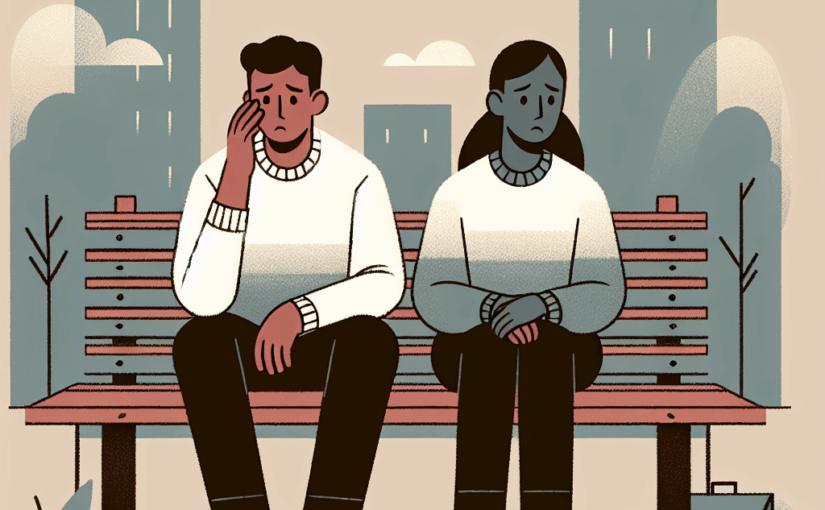
Feeling drained and overwhelmed as a parent is a reality many face, and it can often feel like you’re the only one stuck on this roller coaster. Parental burnout is becoming increasingly common as the demands of parenthood grow. If you’ve found yourself questioning whether you’re the only parent running on empty, rest assured, you are not alone. Many parents are grappling with feelings of exhaustion, frustration, and inadequacy. This article explores parenting burnout, its signs, causes, and practical strategies to help you thrive.
Understanding Parental Burnout
Parental burnout is more than just feeling tired. It manifests as emotional exhaustion and detachment from family responsibilities. Understanding its symptoms and triggers can be a crucial first step toward recovery.
Here are some common signs of parental burnout:
1. Constant exhaustion: You feel tired even after a full night’s sleep.
2. Emotional detachment: You find it hard to connect emotionally with your children.
3. Increased irritability: Small annoyances feel overwhelming.
4. Declining performance: You struggle to keep up with daily tasks.
5. Feelings of inadequacy: You doubt your ability to be a good parent.
Understanding these symptoms can help you identify parental burnout in yourself or others. It’s essential to remember that this phase is not a reflection of your parenting skills but rather a normal reaction to chronic stressors.
The Causes of Parental Burnout
Several factors contribute to parental burnout, often interlinked and multifaceted. Recognising these causes can help you address the underlying issues.
Common causes of parental burnout include:
1. Overcommitment: Feeling the need to excel in every aspect of parenting can be draining.
2. Lack of support: A supportive network can significantly affect your stress levels. Are your friends and family readily available to help when needed?
3. Unrealistic expectations: Social media often paints an unrealistic picture of parenting, leading to feelings of inadequacy.
4. Work-life balance: Juggling a demanding job and family responsibilities can leave little time for self-care.
Recognising these factors allows you to take actionable steps to reduce their impact on your life.
Strategies to Combat Parental Burnout
Now that you have a clearer understanding of parental burnout, it’s time to equip yourself with strategies to combat it. Here are effective practices you can implement today.
1. Prioritise self-care:
Carve out time for yourself, even if it’s just a few minutes a day. Activities could include reading, meditating, or simply enjoying a hot cup of tea. Recharging your batteries is crucial for improving your mental health.
2. Reach out for help:
Do not hesitate to ask for support. Whether it’s friends, family, or a parenting group, sharing the load can lighten the emotional burden. Engaging with others who understand your struggle can be incredibly therapeutic.
3. Set realistic goals:
Let go of the idea of being a perfect parent. Set achievable daily goals to prevent feelings of failure. Celebrate the small victories, and recognise that making mistakes is part of the journey.
4. Create routines:
Establishing routines can bring a sense of order and predictability. A consistent schedule helps children feel secure and reduces anxiety for everyone.
5. Practice mindfulness:
Incorporate mindfulness practices into your daily life. Mindfulness can help you stay present with your children and reduce feelings of anxiety and stress.
When you start to implement these strategies, you may find that you are better equipped to manage the everyday challenges of parenting, ultimately minimising feelings of burnout.
When to Seek Professional Help
If you notice that your state of burnout isn’t improving despite your best efforts, it may be time to seek professional guidance. Enlisting a therapist or joining a support group can provide you with additional coping strategies and emotional support.
Remember, asking for help isn’t a sign of weakness; it’s a positive step towards regaining control of your life and well-being.
Wrapping up, experiencing parental burnout is a common yet often overlooked challenge faced by many parents. Understanding its signs, causes, and seeking strategies to combat it can have a profound impact on your mental health and your family life. You’re not alone, and there are steps you can take to feel more like yourself again.
If you’re feeling overwhelmed and want to discuss your situation, please visit Talk to Koko.