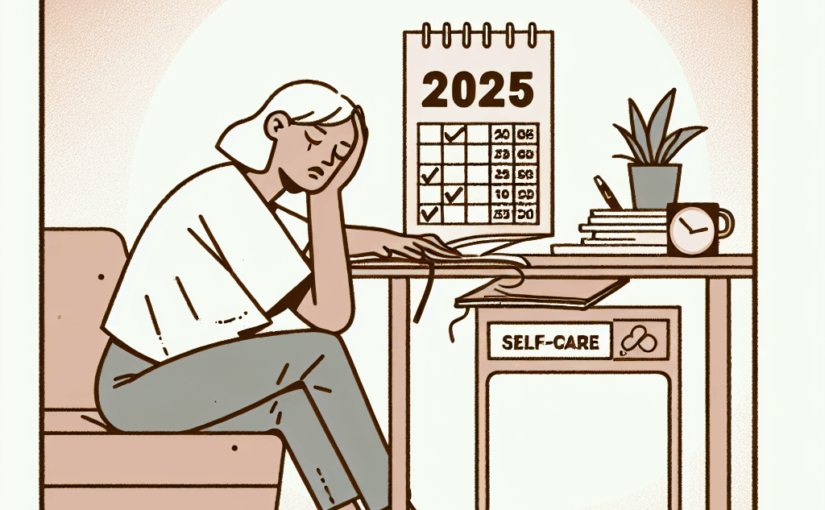
Why You Might Be Feeling Overwhelmed
Feeling like you’re drowning is a haunting experience that many parents face, particularly as the demands of daily life stack up unrelentingly. Parental burnout is not just about feeling tired; it’s a state of physical, emotional, and mental exhaustion caused by the prolonged stress of parenting. As the pressures of work, household responsibilities, and children’s needs accumulate, you may feel like you’re in over your head. Acknowledging this feeling is the first step towards reclaiming your breath and finding a way to support both yourself and your family.
Understanding Parental Burnout
Parental burnout manifests in various ways, and recognising its signs is crucial for recovery. Common symptoms include:
1. Exhaustion: Persistent fatigue that doesn’t improve with rest.
2. Detachment: Feelings of disconnection from your children or daily activities.
3. Reduced Performance: Feeling ineffective or unproductive in parenting tasks.
4. Emotional Overwhelm: Frequent feelings of hopelessness or irritability.
Understanding these symptoms allows parents to identify when burnout is taking root. Research has shown that parental burnout can impact relationships and overall family dynamics. It’s essential to address this issue before it spirals out of control.
Strategies to Combat Parental Burnout
Overcoming parental burnout requires intentional effort and the implementation of strategic coping mechanisms. Here are some effective strategies:
1. Establish Boundaries: Set clear boundaries between work and family time. It’s easy to blur these lines when you’re working from home. Designate specific hours for work and stick to them.
2. Prioritise Self-Care: Make time for activities you enjoy, whether it’s reading, exercising, or simply taking a walk. Self-care isn’t indulgent; it’s necessary for your mental health.
3. Seek Support: Don’t hesitate to reach out to friends, family, or support groups. Sometimes, just talking about your feelings can alleviate the burden. Online communities can also provide valuable resources and connection.
4. Practice Mindfulness: Engage in mindfulness practices such as meditation or deep breathing. These techniques can help you centre your thoughts and reduce anxiety.
The journey through parental burnout can be daunting, but by implementing these strategies, you can begin to find your footing again.
Creating a Supportive Environment
Building a supportive environment at home is essential for combating parental burnout. Here are some actionable steps:
1. Foster Open Communication: Encourage family discussions where everyone can share their feelings. This helps children understand emotions and promotes a healthy dialogue.
2. Distribute Responsibilities: Share household duties with your partner or older children. Collaborative effort not only lessens the load but also builds teamwork within the family.
3. Set Realistic Expectations: It’s important to acknowledge that perfection is not attainable. Set achievable goals for your family’s daily activities.
Additionally, consider reaching out to professionals who specialise in parental burnout. They can provide tailored advice and coping strategies to help you navigate through tough times. For more resources, visit [Talk to Koko](https://www.talktokoko.com) for expert guidance.
Overcoming parental burnout can reinstate balance and joy in your parenting journey. Implement the strategies mentioned above and give yourself permission to step back and breathe. Remember, you’re not alone in this struggle, and it’s perfectly alright to seek help.
Taking control of your well-being is one of the most significant steps you can take for yourself and your children. Don’t wait for that overwhelming feeling to subside on its own; act now to breathe again and re-engage in the joys of parenting.