
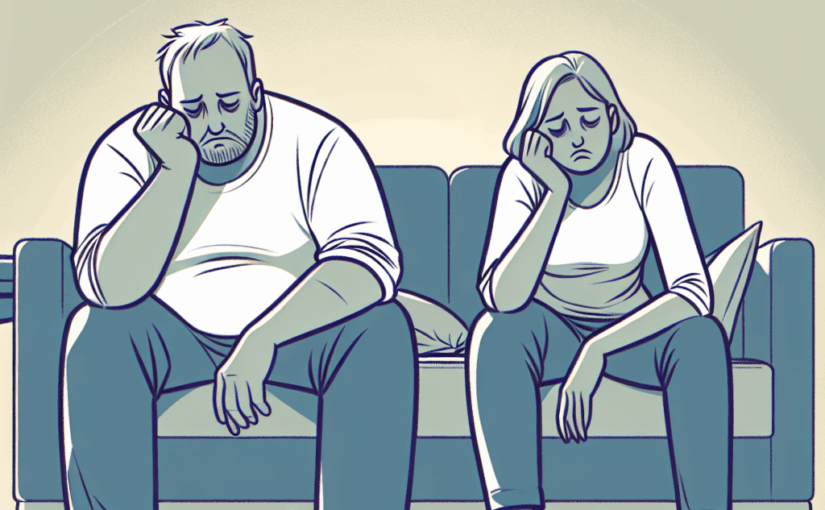
Understanding Parental Burnout
Feeling constantly tired, overwhelmed, or detached as a parent? You’re not alone. Many caregivers experience what is known as parental burnout, a state of physical, emotional, and mental exhaustion brought on by the demands of raising children. The relentless juggling of responsibilities, from school runs to late-night feedings, can leave even the most devoted parents feeling fatigued and unmotivated. Recognising the signs of parental burnout is the first step toward reclaiming your energy and joy in parenting.
Signs and Symptoms of Parental Burnout
Recognising parental burnout is essential to addressing it effectively. The signs can often manifest subtly but can have a significant impact on your well-being and family life. Here are some common symptoms to be aware of:
1. Chronic Fatigue: You may feel tired all the time, even after a full night’s sleep. The exhaustion associated with parental burnout goes beyond mere physical tiredness.
2. Irritability: Small annoyances that previously didn’t bother you may begin to feel overwhelming. You might find yourself snapping at your children or partner over trivial issues.
3. Withdrawal: Feeling emotionally detached from your children or family can be a significant indicator. You may struggle to connect on an emotional level, resulting in neglecting family interactions.
4. Lack of Motivation: Activities that once brought you joy may feel exhausting or pointless; this can hinder your willingness to engage with your children or take on household responsibilities.
5. Anxiety and Stress: You may experience heightened anxiety levels, leading to feelings of panic or worry about your parenting or family responsibilities.
Being aware of these signs is crucial, as they can help you identify when to seek support or implement changes in your routine.
Strategies to Combat Parental Burnout
Combatting parental burnout requires both immediate and long-term strategies. Here are some effective ways to help you recharge and regain balance:
1. Prioritise Self-Care: Taking time for yourself is essential. Engaging in activities that relax or rejuvenate your spirit can help combat burnout. This could include reading a book, taking a bath, or enjoying a brisk walk.
2. Establish Boundaries: Learn to say no to activities that drain your energy or cause unnecessary stress. It’s essential to set realistic expectations for yourself and your family.
3. Seek Support: Don’t hesitate to reach out for help. Connect with friends, family, or professional members who can provide support, guidance, or simply a listening ear. Joining a parenting group or community can also be beneficial.
4. Share Responsibilities: Involve your partner or older children in daily tasks. By distributing household duties, you alleviate some of the pressure and promote teamwork within the family.
5. Create Family Rituals: Establishing routines can provide stability and help manage expectations. Simple practices, like a weekly family movie night, can strengthen bonds and create joyful moments amidst chaos.
6. Practice Mindfulness: Incorporate stress-reducing techniques such as mindfulness or meditation into your daily life. This can help you centre yourself and reduce anxiety related to parenting.
Implementing these strategies can help you manage the symptoms of parental burnout and cultivate a healthier family environment.
When to Seek Professional Help
If you find that your feelings of exhaustion and frustration persist despite trying to implement the above strategies, it may be wise to consider seeking professional help. A mental health professional can offer valuable insights into your experience and may provide coping strategies tailored to your unique situation.
Recognising parental burnout is essential; it is not a sign of weakness but rather a common reaction to the high demands of parenting. Seeking help early can prevent the situation from worsening and lead to a more fulfilling parenting experience. Consider visiting resources like [Talk to KOKO](https://www.talktokoko.com) to connect with professionals who can provide support and guidance.
Acknowledging your experience and taking actionable steps to address parental burnout can lead to a healthier, happier family dynamic. Remember, you are not alone in this journey, and there are numerous resources and strategies available to help you thrive.