
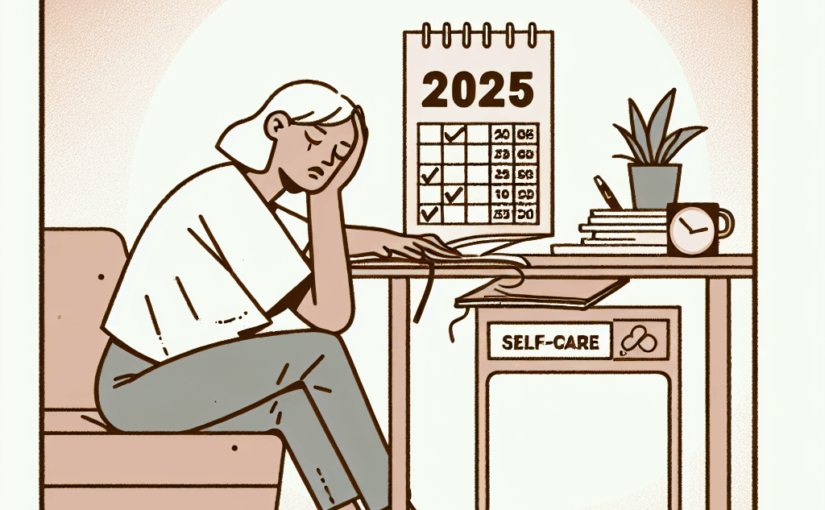
Understanding Parental Burnout
Feeling overwhelmed and exhausted is something most parents can relate to, especially as we navigate the demands of modern parenting. The concept of parental burnout has become increasingly relevant in today’s fast-paced world, where parents juggle work, home life, and the emotional needs of their children. Parental burnout is more than just general fatigue; it encompasses emotional exhaustion, detachment from the parenting role, and a profound sense of disappointment in one’s effectiveness as a parent. In 2025, with ongoing societal pressures and changes in family dynamics, it’s crucial for every parent to have a burnout prevention plan in place to ensure their well-being and that of their family.
Signs of Parental Burnout
Recognising the signs of parental burnout is the first step towards addressing it. Many parents may not even realise they are experiencing burnout until it’s too late. Here are some common indicators that you might be feeling this way:
1. Chronic Fatigue: You feel physically and emotionally drained all the time, regardless of how much rest you get.
2. Irritability: You find yourself snapping at your children or your partner over minor inconveniences.
3. Loss of Interest: Activities you once enjoyed, like family outings or hobbies, now feel like chores.
4. Neglecting Self-Care: You prioritise your children’s needs over your own, leading to unhealthy habits.
5. Detachment: You feel disconnected from your parenting role, struggling to engage with your children emotionally.
Understanding these symptoms can help parents take proactive measures to implement a burnout plan before these feelings escalate. According to surveys conducted by parenting organisations, a staggering percentage of parents report experiencing high levels of stress and fatigue, which can culminate in burnout if left unchecked ([source](https://www.parenting.org)).
Creating Your Burnout Prevention Plan
Now that you’re aware of the signs, it’s essential to devise a personalised burnout prevention plan. Here are some practical steps to help ward off parental burnout:
1. Establish Boundaries: It’s important to create clear boundaries between work, personal time, and family responsibilities. Set specific work hours and dedicate time solely for self-care, family interactions, or hobbies.
2. Prioritise Self-Care: Carving out time for yourself may feel indulgent, but it’s vital. Engage in activities that recharge you, whether it’s reading, exercising, or simply enjoying a quiet cup of tea.
3. Delegate Responsibilities: Don’t hesitate to ask for help from family members or friends. Sharing the load can relieve stress significantly. For example, if you have a partner, synchronise schedules to ensure both of you receive equal breaks.
4. Create a Support Network: Connecting with other parents can offer emotional reassurance and practical advice. Consider joining parenting groups or forums both online and offline.
5. Practice Mindfulness: Engaging in mindfulness or meditation can be an effective way to reduce stress. Practices such as yoga or guided meditation can help centre your thoughts and provide clarity.
The importance of having a structured plan cannot be overstated. It not only aids in preventing burnout but fosters a more positive parenting experience, allowing you to engage meaningfully with your children.
Reassessing During Challenging Times
In the dynamic landscape of 2025, parenting will undoubtedly face new challenges. It’s crucial to periodically reassess your burnout plan and adjust accordingly. Here are some strategies for adapting during difficult periods:
1. Stay Informative: Keep yourself updated with parental resources, whether it’s through blogs, podcasts, or books. Learning new strategies can help you tackle parenting’s evolving challenges.
2. Emphasise Flexibility: Understand that your plan may need revisions. Remaining agile in your approach allows you to adjust to unexpected events or stressors.
3. Invite Feedback: Discuss how you’re feeling with your children (appropriate to their age) and partner. Their input can guide you in making more inclusive family decisions that benefit everyone.
4. Celebrate Small Wins: Acknowledge and appreciate even minor successes in your parenting journey, whether it’s a calm dinner or successfully completing a daily routine.
Monitoring your fatigue and stress levels can empower you to modify your strategies. Making continuous improvements will strengthen your plan, ensuring it evolves with your family needs and external pressures.

As parents, ensuring our well-being is fundamental not just for ourselves but also for our children. Putting a proactive burnout prevention plan in place can guarantee a more fulfilling parenting experience.
Every parent deserves the chance to thrive rather than just survive. If you’re feeling frazzled, take these steps today to create a burnout plan tailored just for you. Feel free to reach out and share your experiences or seek more support through our contact page [here](https://www.talktokoko.com). Embrace the journey of parenthood with preparedness and confidence!