
Understanding Toddler Throwing Behaviour
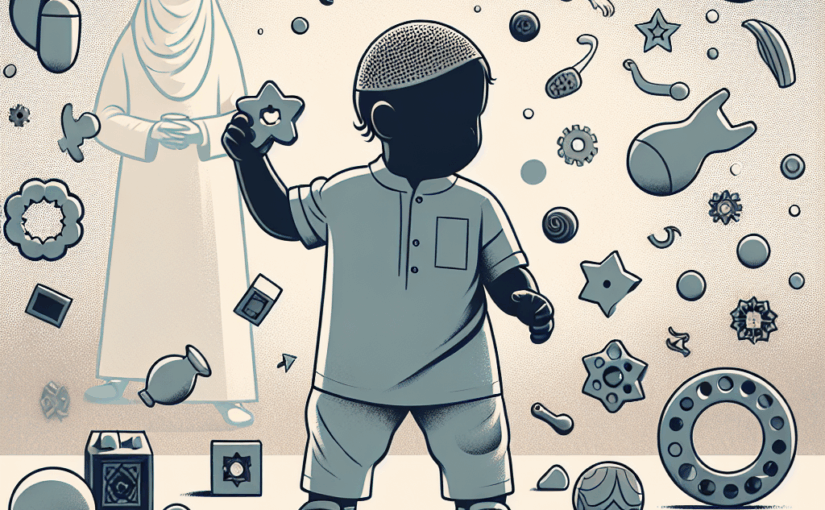
Throwing objects is a common behaviour among toddlers, and it can be both perplexing and frustrating for parents. You may find your little one tossing toys, snacks, or even household items, leaving you wondering why your toddler keeps throwing stuff. This behaviour is often a natural part of their development and can serve multiple purposes. Understanding the reasons behind toddler throwing can help you manage it more effectively and respond in ways that are constructive rather than punitive.
Why Toddlers Throw Things
There are several reasons why toddlers engage in throwing behaviours. Recognising these can help you address the situation with empathy and patience.
1. Exploration of Cause and Effect
Your toddler is in a developmental stage where they are keen to explore their environment. When they throw something, they quickly learn about the consequences of their actions—such as how far an object can fly or what noise it makes upon impact. This curiosity is entirely natural and indicates that your child is experimenting with their understanding of the world.
2. Emotional Expression
For toddlers, emotions can be overwhelming. When they’re excited, frustrated, or even tired, throwing things can become a form of emotional release. It’s important to acknowledge that while throwing objects might not be appropriate, the underlying emotions are genuine and need to be addressed. Encouraging your toddler to articulate their feelings can reduce their need to resort to throwing.
3. Desire for Attention
Toddlers thrive on attention, and throwing things can be an effective way to grab it. Whether it elicits laughter or scolding, any response can reinforce the behaviour. If they notice that throwing gains them significant attention, whether positive or negative, they’ll likely continue the behaviour.
What Might Help Your Toddler with Throwing
Managing toddler throwing involves a mix of understanding, guidance, and providing constructive outlets for their energy.
1. Provide Acceptable Activities
Redirecting your toddler’s throwing behaviour can be quite effective. Instead of prohibiting throwing completely, provide them with safe objects to throw, such as soft balls or beanbags. You can set up designated areas where it’s acceptable to throw, like in a garden or a soft play area, and encourage activities like:
– Bowling with soft balls
– Tossing lightweight toys into a basket
– Playing catch with a parent or sibling
2. Encourage Emotional Vocabulary
Help your toddler develop their emotional vocabulary by naming feelings and providing phrases they can use. You can say things like, “I can see you’re angry. Let’s take a deep breath.” This helps them learn to express themselves verbally rather than through throwing. Use simple books or stories that convey emotions to help them grasp these concepts further.
3. Consistency in Responses
Ensure that your responses to throwing are consistent. If you react differently each time, it could confuse your toddler and reinforce the behaviour. Establish clear limits and gently but firmly guide them back to appropriate behaviours. For example, if they throw a toy, calmly say, “We don’t throw toys. Let’s find something safe to throw,” followed by redirecting them to an appropriate activity.
The Role of Environment and Supervision
A supportive environment can significantly reduce instances of toddler throwing. Consider the following tips:
1. Limit Frustration Triggers
Take note of the situations that usually lead to throwing. Is your toddler tossing things when they’re tired or hungry? Addressing these basic needs can reduce frustration and consequently lower the likelihood of throwing.
2. Modify the Environment
Creating a safe space can mitigate throwing incidents. Keep fragile items out of reach and make sure those that are within reach are sturdy and harmless. This way, your child can explore without fear of breaking something valuable or getting hurt.
3. Model Appropriate Behaviour
Children learn by observing. Show your toddler how to appropriately handle and use items. You can also demonstrate calming techniques to help them manage their emotions.
In this process, patience and understanding go a long way. Behavioural changes take time, and as your toddler develops, they will find new, healthier ways to express themselves.
Final Thoughts
Understanding why your toddler keeps throwing stuff is key to finding effective strategies to manage this behaviour. Recognising it as a developmental stage can help reduce frustration for both you and your child. Creating a nurturing environment, encouraging healthy emotional expression, and redirecting their energy can ease this phase. As they grow, they will learn more appropriate ways to engage with the world.
If you’re finding it particularly challenging to manage your toddler’s throwing behaviour, consider reaching out for more personalised advice. You can get in touch through the contact page at Talk to Koko for support and resources tailored to your family’s needs.