
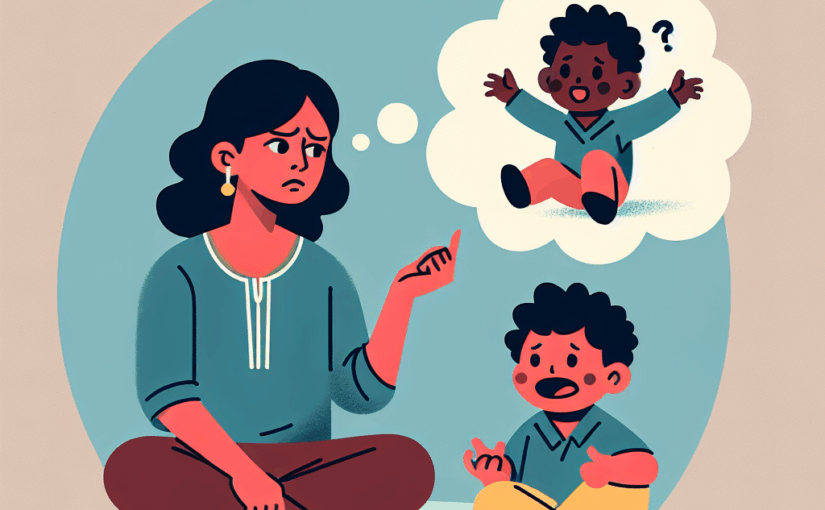
Help! Is My Toddler Just Being Difficult?
It’s normal for parents to feel overwhelmed when faced with challenging toddler behaviour. Whether it’s refusing to share toys, experiencing tantrums, or suddenly becoming picky eaters, understanding toddler behaviour can feel like navigating a minefield. Why are these little beings so intent on testing boundaries and pushing buttons? Recognising the underlying reasons behind your toddler’s actions is the first step toward effective discipline and nurturing their growth.
Understanding Toddler Behaviour: The Why Behind the Challenge
Before diving into strategies for managing difficult toddler behaviour, it helps to understand some of the common reasons why toddlers act out. Here are a few key factors that contribute to their behaviour:
1. Developing Independence
Toddlers are at an age where they are eager to assert their independence. This drive can manifest as resistance to following rules or instructions. They want to make choices, and when those choices are limited, it can lead to frustration and behavioural outbursts.
2. Emotional Development
During this stage, toddlers experience a whirlwind of emotions but lack the skills to express them adequately. They may feel overwhelmed by feelings of anger, sadness, or even excitement, often leading to tantrums as they try to communicate.
3. Testing Boundaries
Part of growing up means learning about rules and limits. Toddlers will often test these boundaries as a way of understanding how the world works and what is acceptable behaviour. This testing phase is normal, albeit challenging for parents.
Understanding that these behaviours stem from natural developmental phases helps foster empathy for your child, making it easier to approach difficult situations with patience and strategy.
Practical Strategies to Manage Difficult Toddler Behaviour
Implementing effective strategies for managing toddler behaviour can transform your parenting experience. Here are several practical tips:
1. Stay Calm and Consistent
One of the best ways to manage challenging behaviour is to remain calm. Your response sets the tone for how your child will react. Consistency in your reactions helps them understand consequences. For example:
– If you say “no” to a behaviour one day, ensure you say “no” the next time it arises.
– Praise positive behaviours consistently to reinforce what you would like to see.
2. Offer Choices
Since toddlers are often looking to assert their independence, providing choices can be a game-changer. For instance, instead of saying, “It’s time to get dressed,” you might say, “Would you like to wear the red shirt or the blue shirt?” This simple shift can empower them and reduce the likelihood of rebellion.
3. Set Up a Predictable Routine
Routines provide toddlers with a sense of security and predictability. When children know what to expect, they are less likely to act out:
– Have consistent mealtimes.
– Establish regular sleep schedules.
– Set aside time for play and quiet activities.
4. Use Positive Reinforcement
Reinforcing desired behaviours rather than punishing negative ones can be more effective. Use praise, stickers, or small rewards to encourage good behaviour. Whenever your toddler shares or plays nicely with others, shower them with positive feedback to reinforce that behaviour.
For more resources on positive reinforcement, you can check out [Positive Parenting Solutions](https://www.positiveparentingsolutions.com).
Recognising When to Seek Help
While difficulties with toddler behaviour are typical, there are instances when it may be advisable to seek additional support.
1. Persistent Extreme Behaviour
If your child frequently exhibits aggressive behaviour, self-harm, or excessive emotional distress, it may be time to consult a professional.
2. Developmental Concerns
If you notice delays in speech, social skills, or if your toddler’s behaviour seems significantly out of sync with peers, discussing these concerns with a healthcare professional may provide peace of mind.
3. Parental Well-Being
Your well-being matters, too. Parenting a challenging toddler can be draining. Don’t hesitate to reach out for support for yourself, whether through parent groups, friends, or professional help.
Nurturing your toddler’s growth while managing their behaviour is a delicate balance, but with patience, understanding, and a few practical strategies, you can create a loving and structured environment.
As you navigate your toddler’s behaviour, remember that you are not alone; many parents experience similar challenges. Reassess your strategies, practice self-care, and don’t hesitate to reach out for help when needed.
Feeling overwhelmed? You can always contact us for more personalised tips and guidance on managing toddler behaviour at Talk to Koko. Embrace this wild ride of toddlerhood—you’ve got this!