
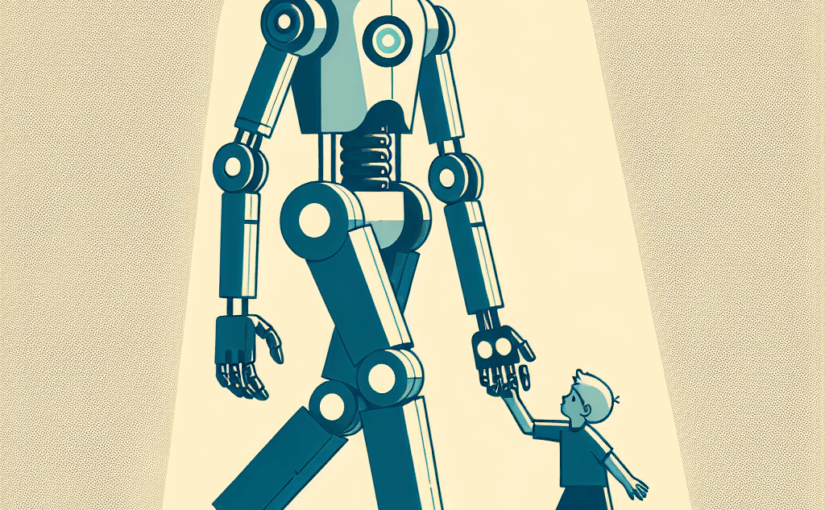
Are You a Robot Parent in a Tech-Driven World?
Feeling like a robot parent? If so, you’re not alone. Many parents today grapple with feelings of exhaustion and detachment, often likening their parenting approach to that of a machine—the “robot parent” syndrome. The demands of modern life, combined with relentless schedules and digital distractions, can make parenting feel methodical and emotionally draining. Understanding and addressing these feelings is crucial to reconnecting with your kids and rekindling the joy of parenting.
Recognising the Signs of a Robot Parent
Being a robot parent can manifest in various ways. It’s essential to recognise these signs to begin the journey toward more intentional parenting. Consider the following symptoms:
1. Emotional Detachment
You may find yourself feeling numb or detached from your child’s experiences. You interact from a place of obligation rather than genuine connection.
2. Routine Overload
If your days feel monotonous and planned down to the minute, you might be prioritising routine over spontaneity, leaving little room for joyful moments to thrive.
3. Constant Comparison
Social media can exacerbate feelings of inadequacy, leading to a comparative mindset that further alienates you from the joys of parenting.
4. Communication Breakdown
You may notice your conversations with your children becoming more transactional, focusing solely on chores or tasks rather than shared experiences and feelings.
Recognising these signs is the first step in overcoming the challenges associated with being a robot parent. It’s important to acknowledge that you are not alone in feeling this way and that many parents share your struggles.
Strategies to Combat the Robot Parent Syndrome
Being a robot parent doesn’t have to be a permanent state. Here are some practical strategies you can employ to regain your emotional connection with your children:
1. Prioritise Quality Time
Make it a point to set aside uninterrupted time for your children. Whether through family dinners, game nights, or simple walks in the park, aim to engage with them wholeheartedly.
2. Embrace Imperfection
Shift your focus away from achieving the perfect parenting standard. Embrace the messiness of life; allow for spontaneity and imperfections that come with parenting.
3. Establish Tech-Free Zones
Create spaces in your home where technology is not allowed. This encourages genuine interaction among family members, helping to foster direct communication and connection.
4. Practice Mindfulness
Incorporate mindfulness techniques, such as meditation or deep breathing, into your daily routine. This can help you remain present and engaged with your children rather than feeling detached.
5. Seek Support
Don’t hesitate to talk to others about your feelings. Joining parent support groups or speaking with a therapist can provide you with valuable insights and coping strategies.
These tips collectively serve as a foundation for breaking the cycle of robotic parenting. By implementing them, you can move towards a more fulfilling and connected approach to parenthood.
Finding Joy in Parenting Again
Reconnecting with your children and rediscovering the joys of parenting are not only possible but essential. Remember, it’s about the journey, not the destination. Here are some additional thoughts to consider:
1. Share Experiences
Instead of simply completing tasks together, engage in activities that foster growth and creativity. For example, try cooking a new recipe together or embark on a family DIY project.
2. Celebrate Milestones
Recognising personal achievements or milestones—both big and small—can reinforce bonds. Make a tradition of celebrating these moments, such as completing a book or learning a new skill.
3. Reflect on Your Parenting Style
Regularly assess your parenting style to ensure it aligns with your values and beliefs. This could involve journaling, discussing with your partner or taking parenting courses.
4. Maintain Open Communication
Encourage honest discussions about feelings and experiences within your family. Creating an environment where everyone feels safe to express their thoughts fosters deeper connections.
Ultimately, the goal is to enjoy parenting rather than merely endure it. Becoming aware of the robot parent tendencies and actively working against them can equip you with the tools needed to navigate parenthood with renewed passion.
Recognising that you might feel like a robot parent is the beginning of a transformative journey. By applying the strategies discussed here, you can shift your approach and rediscover the joy and spontaneity that parenting has to offer.
If you’re ready to take the next step and seek tailored advice on navigating your parenting journey, don’t hesitate to reach out to our experts for further support at Talk to Koko. Let’s turn the tide together and make parenting a fulfilling experience once again!