
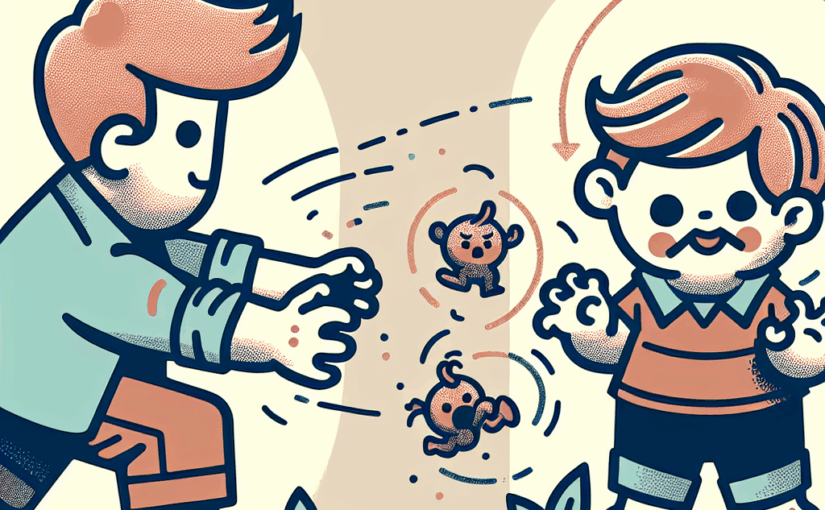
Understanding the Transition: Why Your Toddler Is Acting Out
Every parent experiences the shock of witnessing their sweet, engaging toddler transform into a tiny tyrant seemingly overnight. This sudden shift in toddler behavior can leave many feeling confused and overwhelmed. Understanding the reasons behind this dramatic change is crucial for effective management. Toddlers are navigating a complex phase of development where they test boundaries and assert their independence, leading to behaviour that can seem defiant or confrontational.
During this stage, they are discovering their own emotions and learning how to communicate them. Frustration occurs when they struggle to articulate their needs or wants, resulting in tantrums or meltdowns. Additionally, the world around them is vast and stimulating, and their eagerness to explore can sometimes translate into unruly behaviour.
Recognising these triggers is the first step in addressing the situation effectively.
Common Triggers of Toddler Behaviour
Understanding the root causes of your toddler’s newfound tendency to act out can help you respond more effectively. Here are some common triggers for challenging toddler behavior:
1. Emotional Development
Toddlers are just beginning to recognise and manage their feelings. This emotional whirlwind can cause them to react dramatically, often leading to tantrums when overwhelmed.
2. Desire for Independence
As they grow, toddlers crave autonomy. They may resist instructions or try to do things on their own, which can sometimes lead to conflict, especially when they feel thwarted.
3. Changes in Routine
Days filled with activities or disruptions to their typical schedule can cause anxiety, resulting in challenging behaviour. Consistency is key for toddlers to feel secure.
4. Overstimulation
Exposure to too much sensory input, be it noise, crowds, or activities, can overwhelm young children, triggering meltdowns.
5. Testing Boundaries
It’s natural for toddlers to push limits as they learn about social norms. Sometimes, their defiance is merely a test of your reactions.
Recognising these triggers can help you better manage your toddler’s behaviour and foster an environment that supports their emotional development.
Strategies to Manage Toddler Behaviour
When dealing with sudden outbursts and defiance, it’s essential to approach the situation with understanding and effective strategies. Here are some practical ways to manage your toddler’s challenging behavior:
1. Validate Their Feelings
Let your toddler know their feelings are normal. Acknowledge their emotions, saying things like, “I see you’re upset because we can’t have that toy right now.” This recognition can help them feel understood.
2. Offer Choices
Empower your toddler by giving them choices. For example, ask if they want to wear the blue shirt or the red one. This approach can satisfy their craving for independence while reducing defiance.
3. Set Clear Boundaries
Establish consistent rules and consequences. Ensure your toddler knows what behaviours are acceptable and what isn’t, while remaining calm and firm in your enforcement.
4. Provide Structure
Create a predictable routine that includes time for play, learning, and downtime. Structure can help your toddler feel secure and calm.
5. Use Distraction Techniques
Sometimes, redirecting your toddler’s attention can diffuse a potential meltdown. Offer a different toy, engage them in a game, or suggest a fun activity.
6. Praise Positive Behaviours
Encourage good behaviour by acknowledging it. A simple “I love how you shared your toy” can reinforce the behaviour you want to see.
7. Model Appropriate Behaviour
Your toddler learns by watching you; therefore, model how to express feelings appropriately. Use your words to talk about your emotions.
Implementing these strategies can make a significant difference in managing your toddler’s behaviour. Consistency, patience, and understanding are key.
When to Seek Professional Help
In some cases, persistent challenging behaviour may indicate underlying issues. If you notice that your toddler’s tantrums are frequent, prolonged, or becoming more severe, it might be time to seek professional guidance. Look for signs such as:
1. Intense Emotional Outbursts
If your toddler’s meltdowns are consistently intense and last longer than typical tantrums.
2. Aggression Towards Others
If your child frequently exhibits aggressive behaviours, such as hitting or biting, it may require professional intervention.
3. Developmental Delays
If you are concerned about how your toddler is hitting their developmental milestones, speaking with a specialist may give you peace of mind and clarity.
4. Sudden Changes in Behaviour
If their behaviour changes suddenly without an apparent cause, it may be beneficial to consult a child psychologist or a developmental specialist.
It’s essential to remember that every child is unique. If you have concerns, don’t hesitate to reach out to a professional for advice.
As a parent, navigating the challenges of toddler behavior can feel overwhelming. However, by understanding their developmental needs and implementing practical strategies, you can help your child grow while maintaining a harmonious household.
If you need more guidance or support regarding toddler behaviour, feel free to reach out at Talk to Koko. You don’t have to face these challenges alone!