
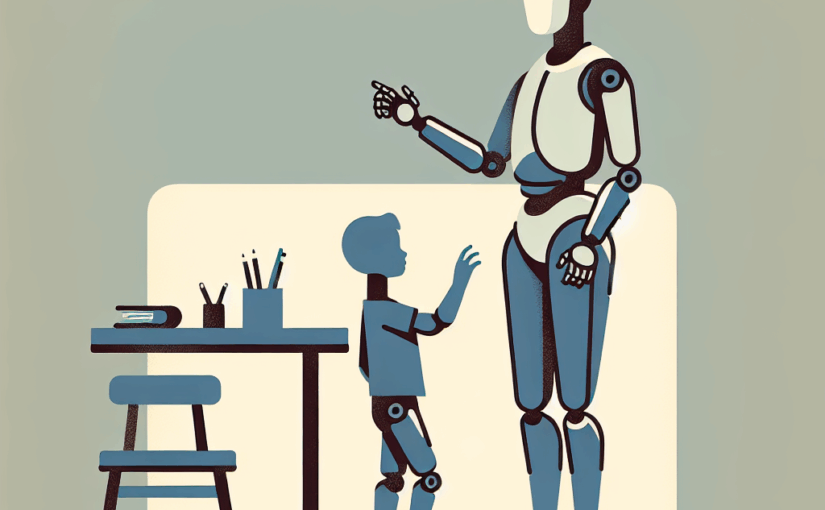
Feeling like a robot parent? You’re definitely not alone. The relentless demands of modern parenting can leave many of us feeling as if we’re operating on autopilot, executing daily routines without truly engaging. This sense of mechanical parenting, or being what many call a “robot parent,” can sap our joy, creativity, and emotional connection with our children. But understanding this phenomenon is the first step toward breaking free and rediscovering a fulfilling family life.
The Reality of Being a Robot Parent
The term “robot parent” describes those who often move through their parenting duties without emotional engagement or personal reflection. While it’s not uncommon to experience this at times, especially during particularly stressful periods, it can become the norm for many. Here are a few common signs that you might be in robot mode:
1. Routines Feel Monotonous
If every day feels like a repeat of the last—school drop-offs, homework checks, dinner preparation—then you might be on autopilot. These routines are necessary, but when they start to feel robotic, it’s a sign that you’re not fully present.
2. Lack of Emotional Connection
When was the last time you really connected with your child? If your interactions are limited to logistical discussions—“Did you do your homework?” or “Time for bed!”—it may be an indication of emotional disengagement.
3. Feeling Overwhelmed
Many parents report feeling overwhelmed, leading to feelings of inadequacy or exhaustion. This emotional overload can contribute to the mindset of being a robot parent, where reaction is prioritised over meaningful interaction.
Identifying the Causes of Parental Burnout
Understanding why you might feel like a robot parent is essential for addressing the issue. Several factors contribute to parental burnout:
1. Overcommitment
Many parents pack their schedules, feeling the pressure to engage in various activities—extracurriculars, playdates, and community events. Overcommitting can rob you of quality time with your children, leaving you exhausted and less engaged.
2. Social Media Comparison
In an age dominated by social media, it’s easy to feel inadequate when comparing your parenting journey to others. This constant comparison can lead to feelings of not being enough, further contributing to emotional disengagement.
3. Economic Pressures
Financial stress can compound feelings of burnout. Working long hours to provide may leave little room for emotional engagement or quality time with your children, reinforcing the robot parent experience.
Breaking Free from the Robot Parent Cycle
Once you’ve recognised the signs and underlying causes of feeling like a robot parent, it’s crucial to take steps toward change. Here are some actionable strategies:
1. Reconnect Through Play
Set aside dedicated time for play. This could be board games, outdoor activities, or even a simple walk in the park. Engage in activities that your children enjoy, allowing for authentic emotional connection.
2. Mindfulness Practices
Incorporate mindfulness into your routine. This could be as simple as taking a few deep breaths before engaging with your child or practising gratitude each evening. Mindfulness can foster greater presence in your interactions.
3. Limit Screen Time
Consider reducing screen time for both you and your children. Create tech-free zones during family meals or activities to ensure meaningful conversations and connections.
4. Speak Openly About Your Feelings
Communicating with your children about your feelings can model emotional intelligence and reinforce connections. Explain that everyone has hard days and that it’s okay to talk about it.
Remember, you are not alone on this journey; many parents experience similar feelings. Consider speaking to a professional who can provide tailored support for navigating parental burnout. You might find resources available through organisations focusing on parental wellbeing.
Feeling like a robot parent doesn’t have to be your permanent state. Reflect, prioritise the emotional connection, and try these strategies to reconnect with your life as a parent.
As you embark on this journey of rediscovery, keep in mind that it takes time and effort. Start small by implementing one change at a time and observe how it transforms your daily interactions.
If you want to discuss this further or need guidance, don’t hesitate to reach out. Let’s take steps toward nurturing our emotional wellbeing together.