
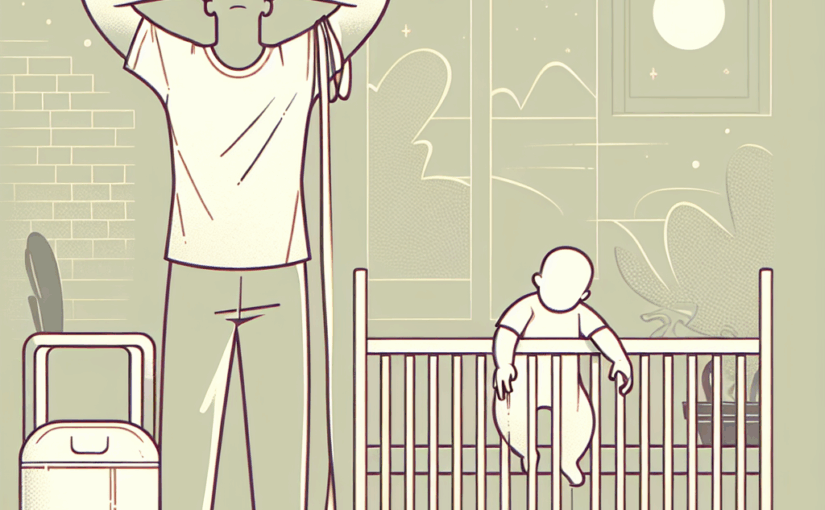
Feeling the Weight of Parenthood
Parenthood is often painted as a beautiful journey filled with love and joy, but for many, it can also lead to overwhelming feelings of exhaustion and anxiety. Feeling drained by parenthood is more common than one might think, and the term “parental burnout” is increasingly becoming part of everyday conversations among caregivers. Parental burnout is not just a fleeting feeling; it can have significant effects on both parents and children alike. Understanding this phenomenon and recognising its signs can help parents navigate through the complexities of raising children while maintaining their own well-being.
Understanding Parental Burnout
Parental burnout is characterised by emotional, physical, and mental exhaustion caused by the demands of parenting. It can manifest in several ways, and understanding these symptoms is crucial for addressing the issue effectively. Here are some common signs:
1. Chronic Fatigue: Constantly feeling tired, even after a good night’s sleep.
2. Increased Irritability: Finding yourself snapping at your partner or kids over trivial matters.
3. Emotional Detachment: Feeling distant or disconnected from your children or partner.
4. Loss of Interest: Losing interest in activities you once enjoyed, including parenting itself.
According to a recent study, as many as 50% of parents experience some level of parental burnout. The shame and guilt associated with these feelings can deter parents from seeking help. However, recognising that these feelings are common can be an essential first step toward healing.
Causes of Parental Burnout
Understanding the causes of parental burnout can empower parents to take action before feeling overwhelmed. Several factors contribute to this intense fatigue:
1. Unrealistic Expectations: Many parents set high standards for themselves, often trying to meet societal expectations. This can lead to feelings of inadequacy when they inevitably fall short.
2. Lack of Support: Parenting can feel isolating, especially for stay-at-home parents. Without a strong support network, responsibilities can become overwhelming.
3. Work-Life Balance: Juggling work commitments alongside family life can lead to burnout. Parents often sacrifice personal time for family and work, neglecting their own needs.
4. Parenting Style: Some parenting styles, especially those that are overly strict or controlling, can increase stress and lead to burnout. For instance, parents who strive for perfection in their children’s achievements may find themselves drained by constant pressure.
Recognising these causes can help parents develop strategies to combat the symptoms of parental burnout.
Strategies for Managing Parental Burnout
Managing parental burnout involves active steps to prioritise self-care and create a supportive environment. Here are some practical strategies:
1. Set Realistic Goals: Acknowledge that it’s okay not to be a perfect parent. Adjust your expectations and focus on what really matters.
2. Build Your Support System: Connect with other parents through community groups or social media. Sharing experiences can help normalise your feelings and provide necessary encouragement.
3. Prioritise Self-Care: Incorporate small self-care rituals into your daily routine. Whether it’s enjoying a five-minute cup of tea alone or scheduling regular exercise, your well-being is essential.
4. Communicate Openly: Talk about your feelings with your partner or trusted friends. Sometimes, sharing your struggles can lighten the load you carry.
5. Seek Professional Help: If feelings of burnout persist, consider speaking to a mental health professional. Therapy can provide constructive tools to navigate parental stress.
Implementing these strategies can be the difference between feeling perpetually drained and regaining a sense of balance and joy in your parenting journey.
Moving Forward
The journey of parenthood can be challenging, and it’s perfectly normal to feel drained along the way. Recognising the signs of parental burnout and understanding its roots are critical steps in reclaiming your emotional well-being. Remember, you are not alone in this journey, and support is readily available.
If you’re grappling with parental burnout, take a moment to breathe and acknowledge your feelings. Embrace the power of community and don’t hesitate to reach out for help when needed. For more insights or guidance, feel free to contact us at Talk to Koko. Taking the first step toward understanding and alleviating burnout could lead to a more fulfilling and joyful parenting experience.