
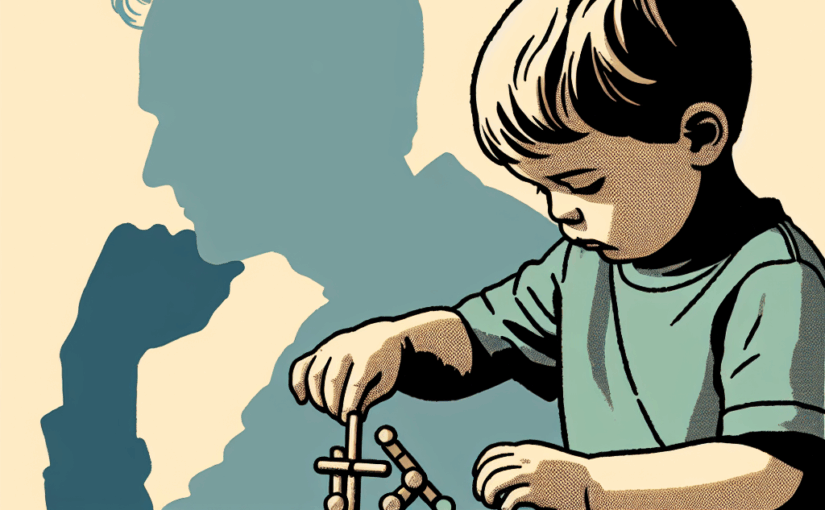
Understanding Toddler Behaviour: Why Does My Toddler Ignore Me on Purpose?
Every parent experiences moments of frustration when their toddler seems to selectively tune them out. This behaviour can feel like a direct challenge, especially when you’re trying to communicate important messages. So, why does your toddler ignore you on purpose? Understanding the reasons behind this behaviour is crucial for effective communication and fostering a supportive environment for your child.
Toddlers are complex beings, and their actions often stem from developmental stages, emotions, or simply the desire for independence. This article will explore why toddlers ignore their parents and provide practical strategies to improve your communication.
Reasons Behind “Toddler Ignore” Behaviour
Several factors contribute to why your toddler might ignore you. Here’s a closer look at some of the common reasons:
1. Developmental Exploration
Toddlers are naturally curious and are constantly exploring their surroundings. When they are engaged in an activity they find intriguing, they might not respond to your requests. This behaviour is often a sign that they are developing their own interests.
2. Desire for Independence
As toddlers grow, they start to crave independence. Ignoring a parent can sometimes be a toddler’s way of asserting their autonomy. They want to make their own choices, and simply following directions may conflict with this need.
3. Attention-Seeking
Surprisingly, ignoring can also be a form of seeking attention. If they notice that ignoring you elicits a reaction, whether it’s laughter, frustration, or a more engaged response, they might repeat this behaviour to gain interaction.
4. Emotional Overload
Toddlers experience a whirlwind of emotions, from excitement to frustration. When they feel overwhelmed, they may shut down and ignore what you are saying. Be aware of their emotional state and the surrounding environment before attempting to communicate.
5. Communication Skills
Sometimes, what appears as intentional ignoring may simply be a result of their developing language skills. They might not understand what you’re asking or may find it challenging to express their thoughts and feelings.
Effective Strategies for Better Communication
Now that you understand why your toddler might ignore you, here are some practical strategies to improve communication and engage your child more effectively:
1. Get Down to Their Level
Instead of standing over your toddler, kneel or sit to make eye contact. This helps to draw their attention more effectively than speaking from a distance.
2. Use Clear and Simple Language
Toddlers respond better to simple instructions. Instead of saying, “Please put your toys away,” try, “Tidy up your toys, please.” This clear approach makes it easier for them to process your request.
3. Make It Interactive
Engage your toddler in fun activities that require interaction. For instance, using playful language or asking questions during playtime can enhance their engagement.
4. Be Patient and Calm
If your toddler ignores you, resist the urge to raise your voice or express frustration. Stay calm and repeat your request softly. Sometimes, simply giving them time to respond can foster better communication.
5. Establish Routines
Creating consistent routines can aid in reducing instances of being ignored. When your toddler knows what to expect, they are more likely to listen and respond promptly.
6. Encourage Emotions
If your toddler seems overwhelmed, help them identify their feelings. Use simple phrases such as, “You seem upset. Would you like a hug?” This acknowledgement can help your child feel understood and more likely to respond.
When to Seek Additional Help
It’s important to remember that occasional ignoring is a normal part of toddler behaviour. However, if you notice persistent issues that affect your child’s ability to engage with others or respond to basic commands, it may be time to consult with a child psychologist or a specialist. Their expertise can help determine if there are underlying developmental concerns.
Final Thoughts
Understanding why your toddler ignores you on purpose is key in building a more effective parent-child relationship. By embracing the developmental aspects of their behaviour and implementing practical strategies, you can foster a more interactive communication style. Remember, patience is essential as your child learns to navigate their world.
If you have more questions about your child’s behaviour or want personalised insights, feel free to connect with us at Talk to Koko. Empower yourself with knowledge and support as you navigate the challenges of parenting!