
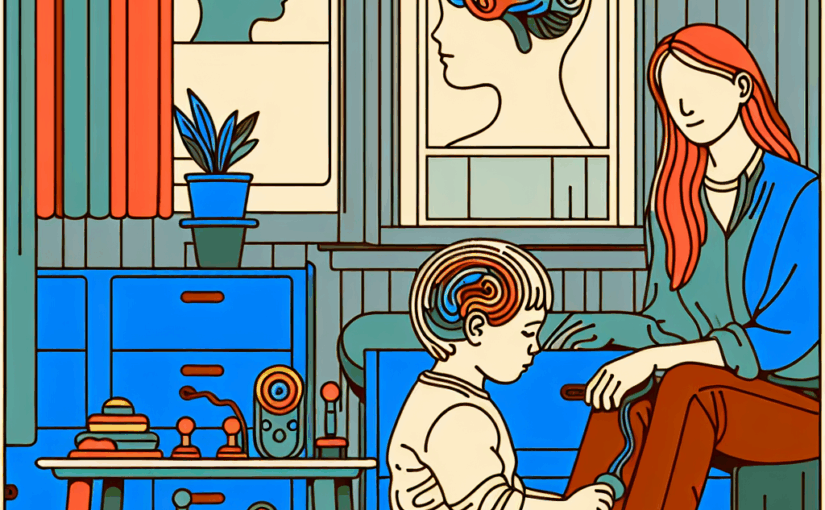
Understanding Neurodivergent Kids: Embracing Their Unique Perspectives
Having a child who is described as neurodivergent can be an eye-opening experience, as it challenges conventional ways of thinking about personality, behaviour, and learning. Neurodivergent kids, those whose brain functions differently from the typical range in areas such as attention, mood, and learning styles, have unique perspectives that can enrich their lives and the lives of those around them. Recognising and understanding their distinct traits is essential for fostering their development and ensuring their success. Here’s how you can embrace and support neurodivergent children on their journey.
The Spectrum of Neurodiversity
Neurodiversity encompasses various conditions, including but not limited to autism spectrum disorder, ADHD, dyslexia, and other cognitive differences. Each child’s experience is unique, and their needs may differ significantly. Here are some key conditions associated with neurodivergent kids:
1. Autism Spectrum Disorder (ASD)
Autism is a developmental disorder marked by challenges in social skills, communication, and behaviour. Children with ASD may have a high sensory sensitivity or show a preference for routines.
2. Attention Deficit Hyperactivity Disorder (ADHD)
ADHD presents as difficulty in maintaining attention, impulsiveness, and hyperactivity. Neurodivergent kids with ADHD often think outside the box, which can lead to tremendous creativity.
3. Dyslexia
Dyslexia is a learning disorder characterised by difficulty in reading due to problems identifying speech sounds. Children with dyslexia may excel in visual thinking and problem-solving.
Understanding these conditions can help parents and caregivers develop tailored strategies to nurture the strengths and address the challenges faced by neurodivergent kids.
Recognising the Strengths of Neurodivergent Kids
Embracing the uniqueness of neurodivergent kids is crucial for fostering self-esteem and resilience. Here are several strengths commonly found among these children:
1. Unique Thought Processes:
Neurodivergent children often think differently from their peers. This can manifest as excellent problem-solving skills, innovative ideas, and out-of-the-box thinking.
2. Passionate Interests:
Many neurodivergent kids may develop deep passions for specific subjects or hobbies. These interests can lead to exceptional knowledge and skills in those areas.
3. Empathy and Sensitivity:
Interestingly, many neurodivergent children possess high emotional intelligence, enabling them to understand and relate to others profoundly.
These strengths can be harnessed and celebrated, aiding in the child’s development and helping them to thrive in their environments.
Strategies for Supporting Neurodivergent Kids
As a parent or caregiver, you can implement several strategies to create an environment where neurodivergent kids can flourish:
1. Foster Open Communication:
Encourage your child to express their thoughts and feelings. When they feel safe sharing, you can better understand their experiences and needs.
2. Create Structured Routines:
Many neurodivergent kids benefit from predictable routines. Establishing daily schedules helps them feel secure and reduces anxiety.
3. Celebrate Their Achievements:
Acknowledging their successes, big or small, reinforces their self-worth. Celebrating their unique talents fosters self-esteem and motivation.
4. Educate Yourself and Others:
Arm yourself with knowledge about neurodiversity. The more you learn about different conditions and their implications, the better you can advocate for your child. Resources like [Neurodiversity Celebration Week](https://neurodiversitycelebrationweek.com) can be excellent for insights and support.
5. Collaborate with Educators:
Engage with teachers and counsellors to discuss your child’s needs and strategies that may help in the classroom. A collaborative approach can support their academic growth.
Supporting neurodivergent kids requires a combination of understanding, patience, and dedicated efforts. With love and encouragement, you can help them navigate life’s challenges and celebrate their differences.
When we appreciate and honour the variety of human experiences, we allow neurodivergent kids to embrace who they are. Whether it’s through academic achievements, creative pursuits, or social skills, encouraging neurodiversity brings unique perspectives to our world.
To ensure these children feel accepted and understood, building a supportive community is essential. Reach out to local support groups, online forums, or educational consultants who specialise in neurodiversity to connect with others on a similar journey.
By embracing neurodiversity and advocating for neurodivergent kids, we create an inclusive, richer environment that benefits everyone. If you have questions or need personalised advice, don’t hesitate to contact us at [Talk to Koko](https://www.talktokoko.com). Together, we can help our unique children thrive!