
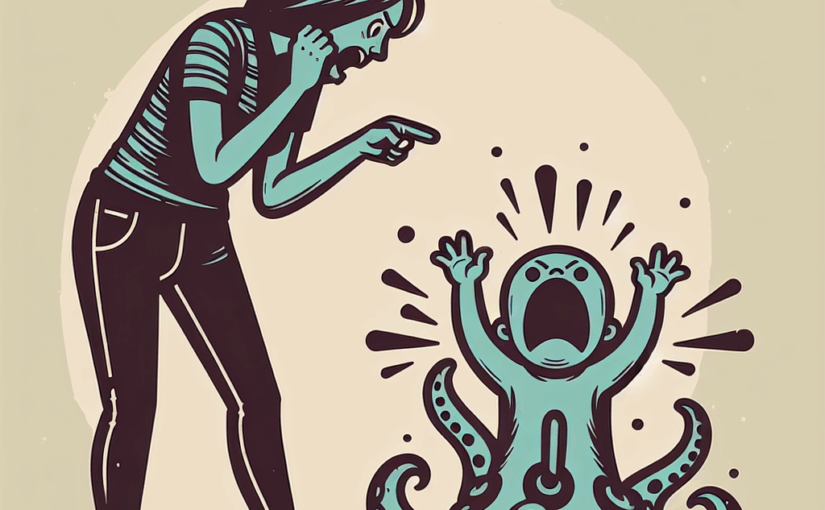
Think back to the last time your toddler erupted into a fit of rage. You may have found yourself feeling overwhelmed, wondering where these strong emotions are coming from. If you’ve ever felt like your toddler’s tantrums are akin to battling a personal kraken, you’re not alone. Understanding toddler tantrums can feel like navigating a stormy sea, leaving parents grappling with their own feelings and frustrations. While the emotional outbursts are a natural part of development, they can be a challenge to manage. Here, we explore practical approaches to tame the tempest of toddler tantrums and find peace amidst the chaos.
Understanding Toddler Tantrums
Toddler tantrums often stem from an array of emotions, including frustration, exhaustion, or the inability to articulate their feelings. It’s important to remember that toddlers are still developing their emotional intelligence and are often overwhelmed by their own feelings. This makes it crucial to approach tantrums with empathy rather than frustration. Here are some key reasons behind the outbursts:
1. Limited Communication Skills
Toddlers often can’t express what they want or how they feel. This can lead to frustration and manifest as a tantrum.
2. Desire for Independence
As toddlers explore their autonomy, they may become upset when they feel they’re not in control of their environment.
3. Overstimulation
A busy environment, too many people, or excessive noise can overwhelm toddlers and trigger a meltdown.
4. Fatigue or Hunger
Sometimes, simple needs like hunger or tiredness can set off a tantrum. Keeping toddlers well-fed and rested can help mitigate this.
Recognising these triggers can empower parents to address tantrums more effectively. Instead of feeling like you’re fighting a kraken, you can become a competent captain navigating through the storm.
Effective Strategies for Managing Tantrums
Have you ever felt utterly helpless during a toddler tantrum? This feeling is common among parents, but implementing some strategic approaches can make a significant difference. Here are tried-and-true methods to manage tantrums effectively:
1. Stay Calm and Collected
Your emotional response can influence your toddler’s behaviour. Remaining calm during a tantrum can help your child feel secure and understood, reducing the intensity of the outburst.
2. Validate Their Feelings
Let your toddler know that it is okay to feel upset. Use phrases like, “I see that you’re very angry right now.” This acknowledgment can sometimes help them move through their feelings quicker.
3. Provide Choices
Empower your toddler by offering them choices. Instead of saying, “You need to put on your shoes,” try, “Would you like to wear the blue shoes or the red ones?” This approach gives them a sense of control.
4. Create a Calm-Down Corner
Designate a ‘calm-down’ space where your child can go to manage their emotions. Equip it with calming tools like soft toys, books, or calming music.
5. Positive Reinforcement
Celebrate when your toddler handles emotions appropriately. Praise them for calming down or communicating their feelings instead of resorting to tantrums.
Implementing these strategies not only manages toddler tantrums effectively but also fosters emotional resilience and communication skills in your child, turning what might feel like a kraken into a mere wave.
When Tantrums Turn into a Concern
While tantrums are a standard part of toddler development, there are times when they might indicate a more significant issue. It’s crucial to be aware of certain signs that suggest professional help may be warranted:
1. Intensity and Duration
If tantrums are excessively intense, last longer than 20 minutes, or occur multiple times daily, it may be worth consulting a pediatrician.
2. Aggressive Behaviour
Toddlers often express frustration through anger, but if the aggression is directed toward themselves or others consistently, it needs assessment.
3. Developmental Delays
If you’re noticing delays in other areas such as speech and social skills alongside ongoing tantrums, it might be beneficial to seek advice.
4. Changes in Routine
Significant changes in a child’s life can trigger more tantrums or emotional disturbances. Keeping an eye on how they’re coping with these transitions is key.
Your child’s emotional well-being is paramount. If you are ever in doubt, reaching out to a professional can provide valuable insights and support.
Understanding and effectively managing toddler tantrums doesn’t mean eliminating them entirely. Instead, it requires patience, empathy, and a thoughtful approach that helps both parents and toddlers navigate their emotions. The next time you feel like you’re wrestling with a kraken, remember that you’re not alone in this journey. For further insights and personalised advice on handling toddler behaviour, contact us today!